0
0

KARACHI: It’s rare and worth visiting. Rare in the sense that very seldom do artworks made by renowned artists find themselves placed at a large, historic venue. Worth visiting, because the paraphernalia that accompanies the exhibits strikes a nice balance between different genres of art — music, sculptures, paintings, dance and a magnificent work of 19th century neo-Gothic architecture.
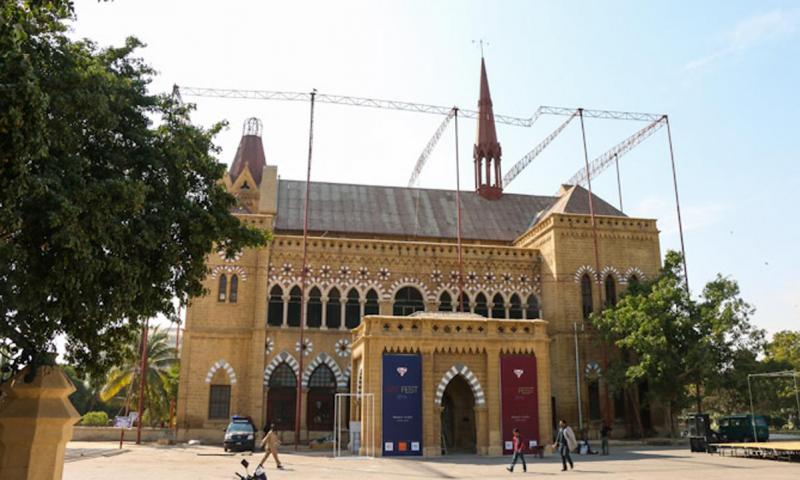
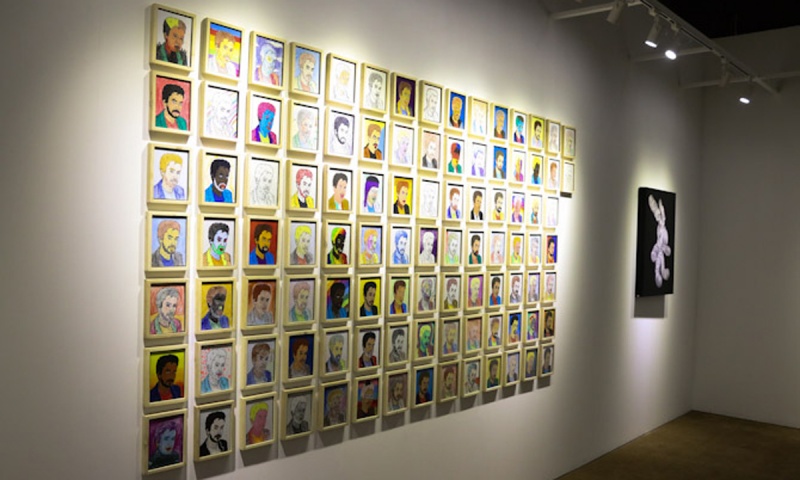
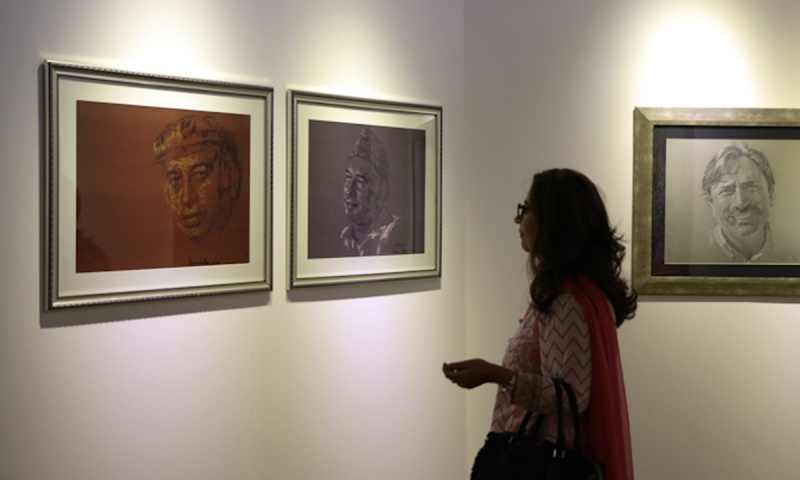
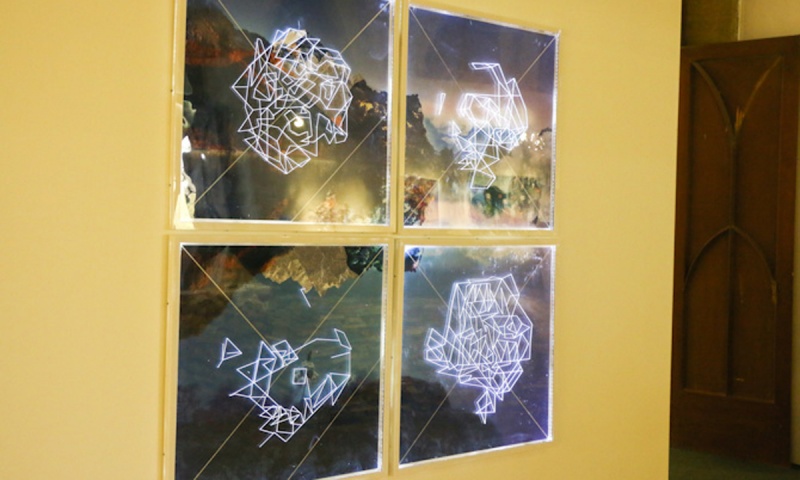
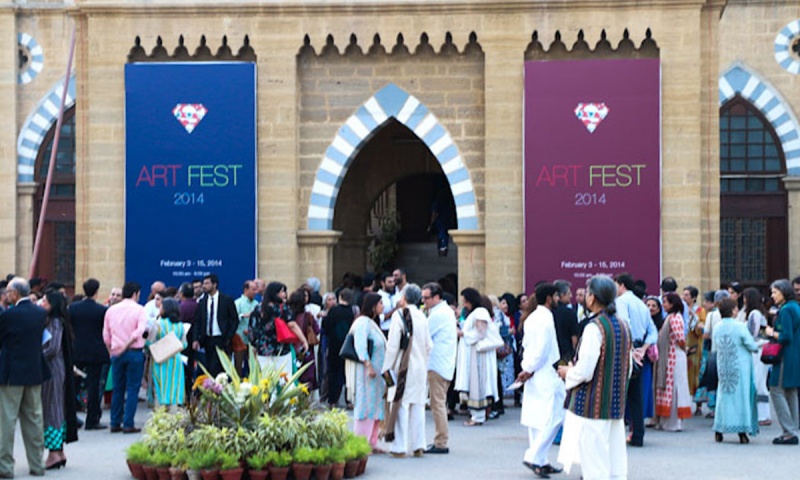
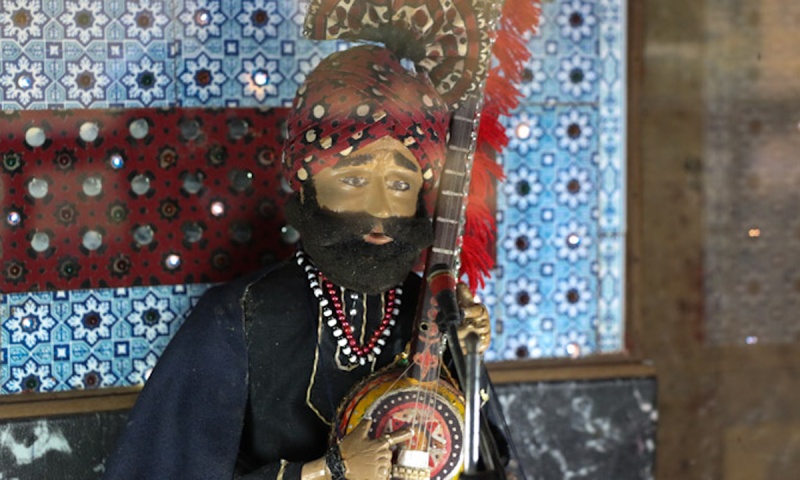
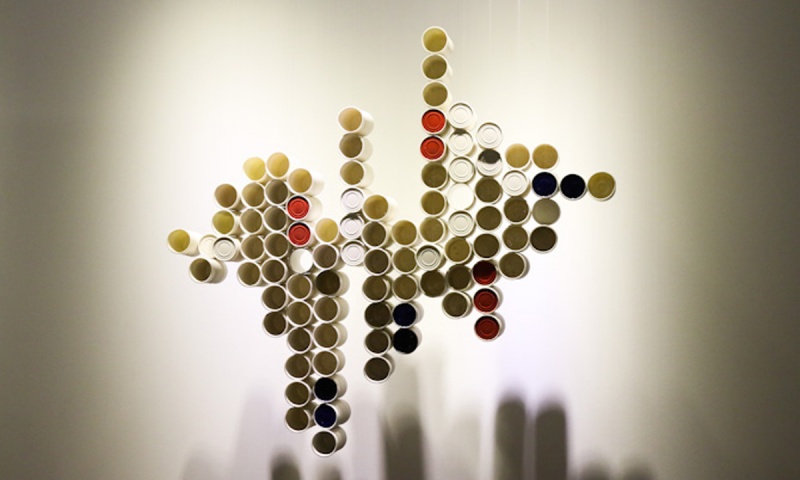
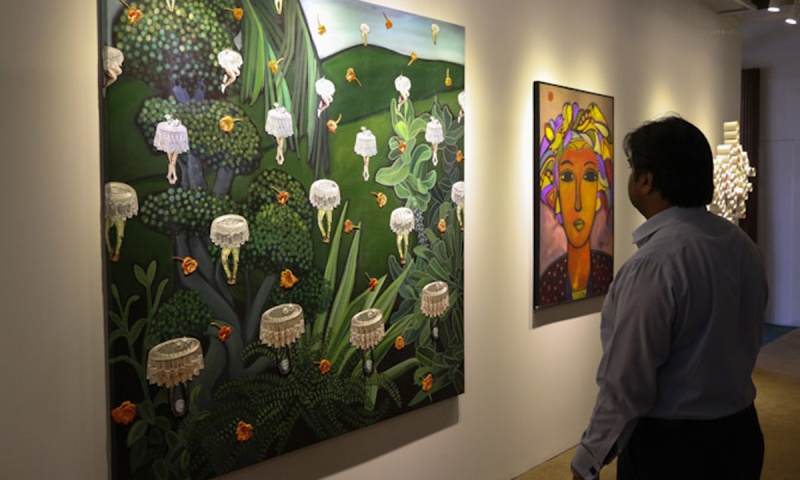
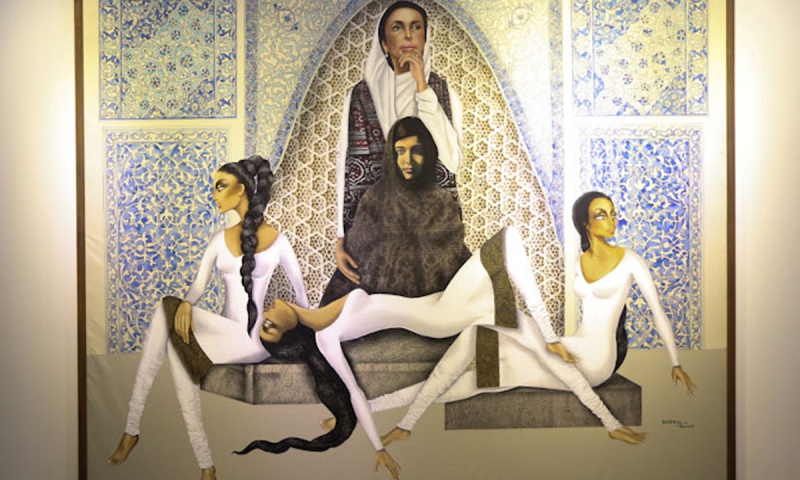
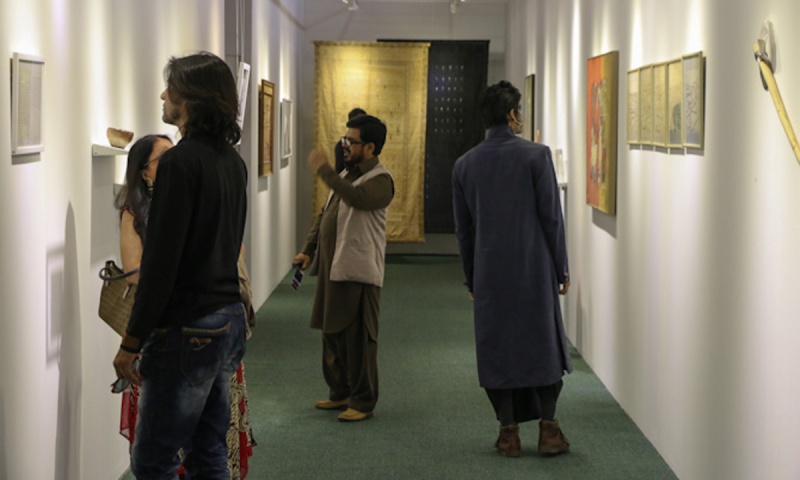
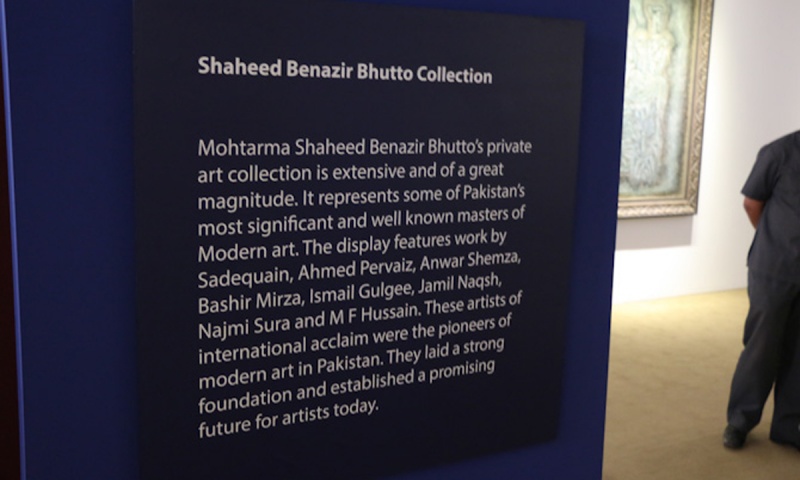
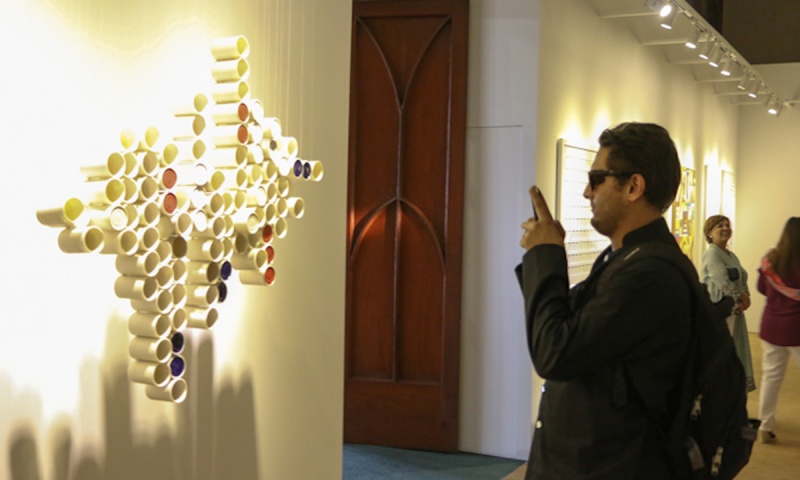
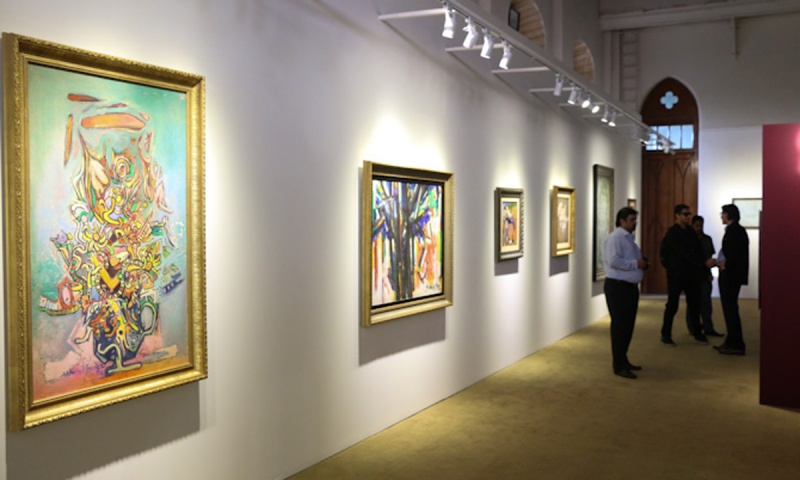
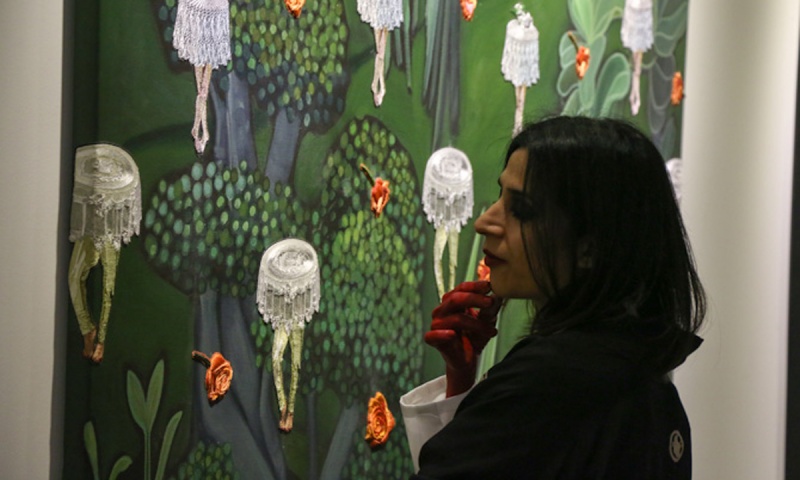
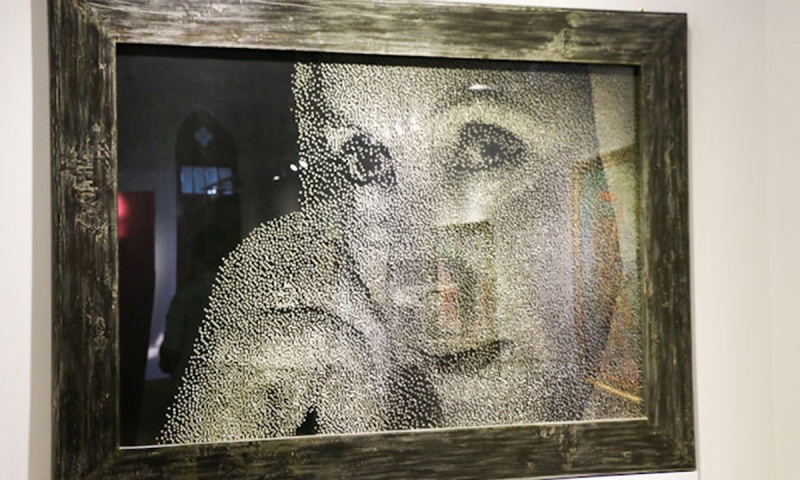
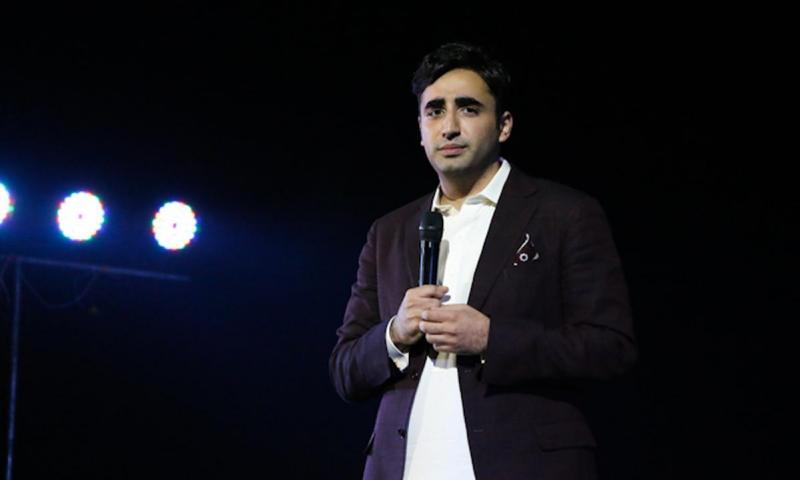
The reference is to the Art Festival 2014, organised by the Canvas Art Gallery under the aegis of the Sindh Festival, which opened at Frere Hall on Sunday evening. PPP Chairman Bilawal Bhutto-Zardari and Sindh Chief Minister Syed Qaim Ali Shah were also present at the event.
The 58 exhibits are put on the first and second floors of the building and in the main garden. Of course, the ones in the garden are big installations, starting with Adeela Suleman and David Alesworth’s piece called Bartel Frere’s Garden. A little difficult to spot is Nabahat Lotia’s perceptive ‘The Web Gets Stronger’. It is an interesting exhibit primarily because of the simplicity of the idea that it projects, especially when the viewer examines it against the backdrop of a structure built in the 1860s. This means that in the historical progression of things, instead of thinning and snapping, the web (of deceit, trickery, tomfoolery) has gone from strength to strength. It’s a sociopolitical comment, a good one at that.
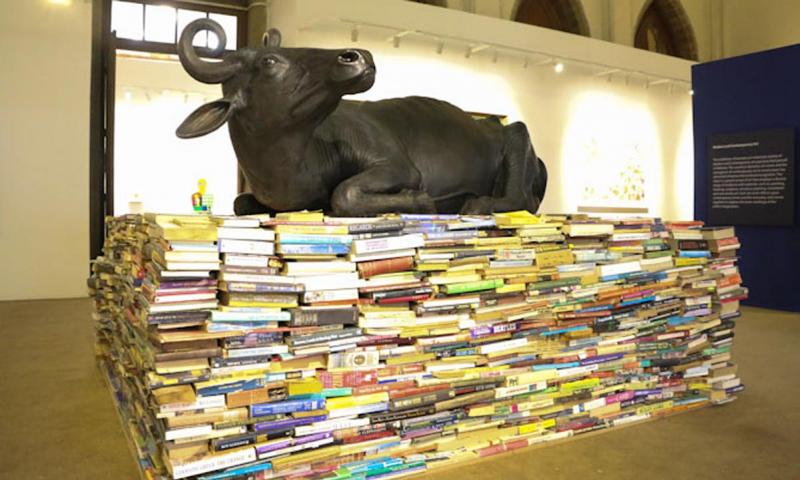
But it’s Munawwar Ali Syed who tackles the same subject, history, in an indirect way by virtue of a striking piece of imaginativeness called ‘I Saw It Once at the Indus Valley Civilisation’ (fiberglass and found books). It’s not the size of the exhibit that draws the viewer towards itself, nor the fact that a domesticated animal belonging to the bovine family is perched on a randomly collected heap of books. Rather, it’s the reference to civilisation that makes the viewer wonder as well as marvel at the exhibit. The juxtaposition of the agrarian and the intellectual (worlds) is quite special, and chews just as much as it swallows.
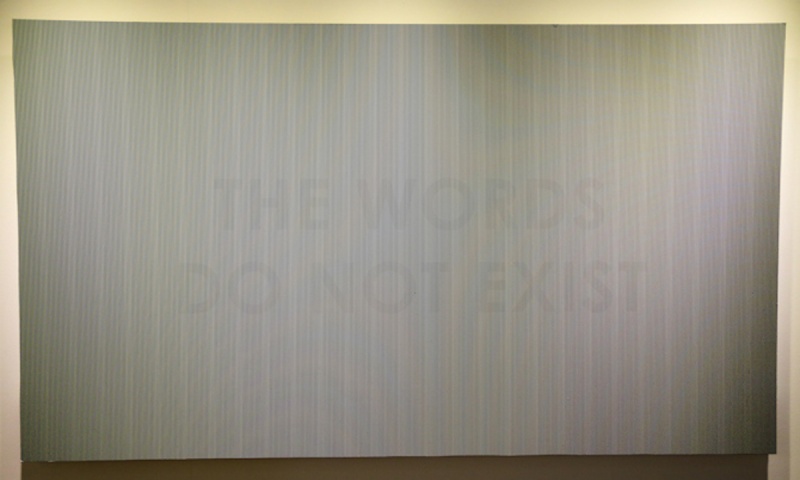
Sajjad Ahmed keeps things in contemporary scenario and makes the viewer work hard in his piece ‘The Words Do Not Exist’ (C-print mounted on sun board). He doesn’t take those who will view his artwork for granted and wants them to focus. The problem is that it’s the illusory nature of the artwork that needs a defocused stance to understand it. Very nice.
Roohi Ahmed and Abdullah M. Syed play on the word kulhari (axe) by breaking it into kullah (turban) and ree. The drift is more than obvious, and yet the more art lovers (and students of sociology) look at it, the more they enjoy its obviousness.