0
0

WASHINGTON: National Security Adviser Sartaj Aziz, who met US Defence Secretary Chuck Hagel on Tuesday, has said that only a regional approach of total non-interference can bring peace and stability to Afghanistan.
At his meeting with Secretary Hagel and Chairman Joint Chiefs of Staff General Martin Dempsey, Mr Aziz also “underscored Pakistan’s commitment to… facilitating US drawdown from Afghanistan”, said an official statement.
Earlier, Mr Aziz conceded that the US plan to withdraw most of its troops from Afghanistan by the end of this year would create a vacuum in Afghanistan, but warned that this “vacuum should only be filled by Afghans, not outsiders”.
At the Pentagon meeting, Mr Aziz said that “a forward looking, broad-based and enduring defence partnership between Pakistan and the US is critical for security and stability in the region”.
The adviser, who is visiting Washington for the US-Pakistan Strategic Dialogue, also said that Pakistan would not “pressurise Afghanistan” to sign a security agreement with the United States.
Mr Aziz said that while experts felt the proposed security agreement would help stabilise Afghanistan, Pakistan believed that “it's for the Afghans to decide whether they want to do this deal”.
He said that Pakistan and the US were also working on a framework for defence reimbursement after 2014 when the United States plans to pull most of its combat troops from Afghanistan.
US officials will present their reimbursement proposals at a joint meeting in February, Mr Aziz said.
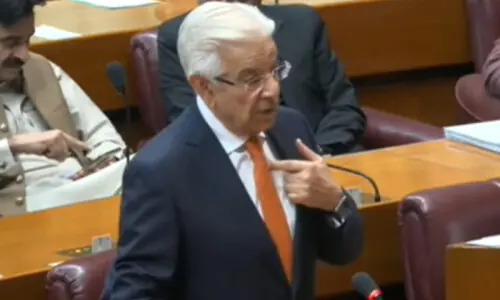
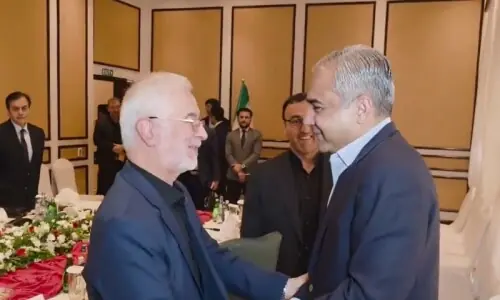
He visited the Pentagon with Defence Minister Khawaja Muhammad Asif, Ambassador Jalil Abbas Jilani, Secretary Defence Asif Yasin Malik and Chief of the General Staff Lt-Gen Ishfaq Nadeem Ahmad.
The meeting focused on security cooperation and identified key priorities for the strengthening the defence partnership in the future.
Mr Aziz noted that positive momentum in defence exchanges over the last one year had helped both sides make significant progress in a number of areas such as supply routes, counter-IEDs cooperation and counter-terrorism.
Talking to journalists, Mr Aziz said there could be no peace in Afghanistan unless all countries of the region followed the same policy of non-interference and “have no favourites in that country”.