WASHINGTON: The White House is considering ending its eavesdropping on friendly foreign leaders, a senior administration official said, as the US confronts a flood of revelations about its spying practices.
A final decision has not been made and the move is still under review, the official said. But the fact that it is even being considered underscores the level of concern within the administration over the possible damage from the months-long spying scandal — including the most recent disclosure that the National Security Agency was monitoring the communications of German Chancellor Angela Merkel.
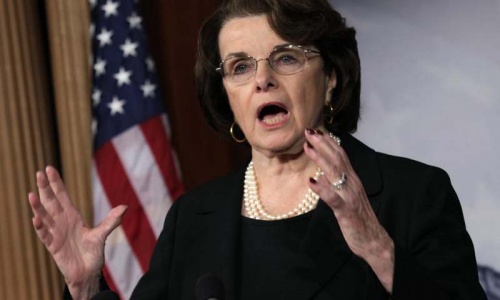
On Monday, Sen Dianne Feinstein, chairwoman of the Senate Intelligence Committee, called for a “total review of all intelligence programmes” following the Merkel allegations.
In a statement, the Democrat said the White House had informed her that “collection on our allies will not continue.’’
The administration official said that statement was not accurate, but added that some unspecified changes already had been made and more were being considered, including terminating the collection of communications from friendly heads of state.
The official was not authorized to discuss the review by name and insisted on anonymity.
Reports based on new leaks from former NSA systems analyst Edward Snowden indicate that the NSA listened to Merkel and 34 other foreign leaders.
“With respect to NSA collection of intelligence on leaders of US allies -— including France, Spain, Mexico and Germany -— let me state unequivocally: I am totally opposed,” Feinstein said. She added that the US should not be “collecting phone calls or emails of friendly presidents and prime ministers” unless in an emergency with approval of the president.
In response to the revelations, German officials said Monday that the US could lose access to an important law enforcement tool used to track terrorist money flows. Other longtime allies have also expressed their displeasure about the US spying on their leaders.
As possible leverage, German authorities cited last week’s non-binding resolution by the European Parliament to suspend a post-Sept. 11, 2001, agreement allowing the Americans access to bank transfer data to track the flow of terrorist money.A top German official said Monday she believed the Americans were using the information to gather economic intelligence apart from terrorism and that the agreement known as the SWIFT agreement should be suspended.
European Union officials who are in Washington to meet with lawmakers ahead of White House talks said US surveillance of their people could affect negotiations over a US-Europe trade agreement. They said European privacy must be better protected. Many officials in Germany and other European governments have made clear, however, that they don’t favour suspending the US-EU trade talks which began last summer because both sides stand to gain so much through the proposed deal, especially against competition from China and other emerging markets.
As tensions with European allies escalate, the top US intelligence official declassified dozens of pages of top secret documents in an apparent bid to show the NSA was acting legally when it gathered millions of Americans’ phone records.
Director of National Intelligence James R. Clapper said he was following the president’s direction to make public as much information as possible about how US intelligence agencies spy under the Foreign Intelligence Surveillance Act. Monday’s release of documents focused on Section 215 of the Patriot Act, which allows the bulk collection of US phone records.
The document release is part of an administration-wide effort to preserve the NSA’s ability to collect bulk data, which it says is key to tracking key terror suspects, but which privacy activists say is a breach of the Constitution’s ban on unreasonable search and seizure of evidence from innocent Americans.
President Barack Obama has also recently ordered the NSA to curtail eavesdropping on the United Nations headquarters in New York as part of a review of US electronic surveillance, according to a US official familiar with the decision.