The hardy cactus
The cactus is a hardy plant and is found in sandy regions. Although sand is not favourably fertile for lush plant life, it is cactus-friendly.
The cactus plant thrives well in it. It is a remarkable plant and manages to survive long periods of no rain. They have thick skins and spines to discourage animals that might
consume them for the moisture stored inside.
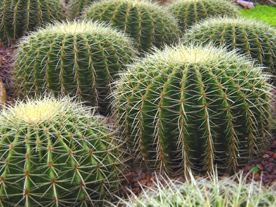
Although painfully prickly to onlookers and avid gardeners, spines help the cactus in several ways. The most obvious use of the spines is for protection against foragers. In some
cactus varieties the spines participate in water collection. Water from dew condenses on spines and, and they help to direct rainwater to the roots of the plant.
How is the water stored? It is stored in the spongy or
hollow stem of a cactus plant. The thick and waxy outer
layer of the plant stops the water from escaping.
As the climate becomes drier, the roots of cacti (plural of ‘cactus’) gradually spread out, closer to the surface of the ground. It is because of this reason that the cacti can absorb water quickly from the earth when rain falls, and thus
create a ‘reservoir’ inside itself. In botanical ecology, plants with these qualities are called xerophytes.
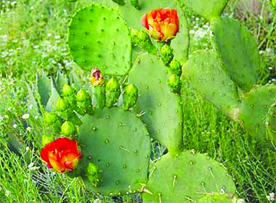
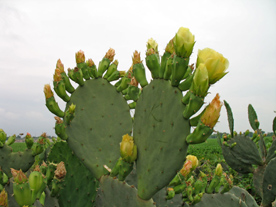
Cacti are regular flowering plants. In fact, the
flowers of most cacti are very beautiful. Interestingly, some bloom solely at night. For example, the flowers of the selenicereus grandiflorus are only fully open for two hours at night. Other cacti flower for a whole week, but the sweet smelling flower of the echinopsis cactus opens towards evening and dies the following morning.
There are more than 1,000 species of cacti. The varieties differ greatly, ranging from the tiny pincushions, which grow close to the ground, to the giant saguaro cactus which,
amazingly, grows from 10 to 20 metres high!
Did you know that the smallest cactus is the Blossfeldia
liliputana, a species of cactus native to South America? It grows at 1,200-3,500 metres altitude in the Andes, typically growing in rock crevices, and often close to waterfalls. It is of note as the smallest cactus species in the world, with a mature size of around 10-12 mm diameter. The
flowers are pink, 6-15 mm long and 5-7 mm diameter.
Incredibly, the tallest cactus in the world is located in Sonora Desert in Baja, California. The cactus measures an astounding 63 feet (19.2 metres) in height! It belongs to the Pachycereus pringlei species.
Growing cacti is a fun hobby! Conduct research on them and you will be fascinated by the huge variety of these hardy plants. Go on, show friends you have a green thumb!




 0
0