TRANSPORTERS, contestants and constituents, especially the elderly and the womenfolk, question the logic behind the restriction placed by the ECP on the use of transport by candidates for bringing voters to polling stations.
Section 18 of the Code of Conduct states: “Political parties, contesting candidates and their supporters shall not use any vehicle to transport to or from the polling station any elector except himself and members of his immediate family.”
However, people generally believe that the ECP ban would either remain ineffective or, if enforced properly, will cause a dip in turnout.
Women often remain busy with daily chores even on holidays, and providing them transport to and from the polling stations would facilitate them to cast their votes. Restriction on transport is actually a restriction on women voters, argued a housewife.
Khadija Amman, a cancer patient, said that elderly people and patients should be allowed to be taken to the polling station by the candidates.
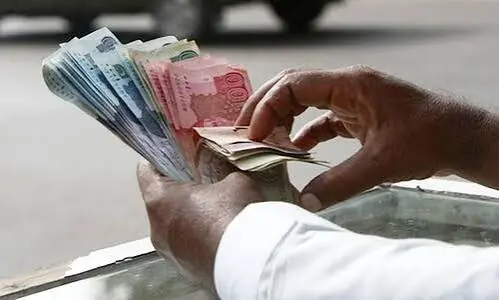
“Hiring of transport will take place in any case,” said Irshad Hussain Bokhari, a leading transporter. who is associated with the Karachi Transport Ittehad. He estimated that normally in major cities, Rs30-50 million would be spent on arranging transport for voters by each political party.
The amount in Karachi would be less, but in hilly areas and rural constituencies where polling stations are located at distant places, it is bound to be higher.
The transport body has already been asked by the ECP to provide at least 1200 buses for transportation of staff to and from polling stations to the main election office, he confided.
“In the absence of transport, voter turnout across Pakistan would be low, especially in rural areas where the majority of voters live,” feared Khuwaja Izharul Hassan of MQM.
Mr Hassan said that the issue was discussed at least thrice in meetings with the ECP, but the officials did not pay any heed to such submissions.
Nihal Hashmi of N-League, however, defended the ban, arguing that it was meant to provide a level playing field to all candidates regardless of their financial background. The voters, he said, should cast their vote as a national obligation.Talking about fears of low turnout of female voters, he said that it was the responsibility of the head of the family to take his family members to the polling stations.
He was hopeful that the ban would be enforced and any vehicle found with party flag would be impounded.
When it was suggested that transport can still be arranged by someone other than the candidate, he said that “people find it easy to dodge even the Almighty”.