ISLAMABAD, Aug 5 Speakers at a seminar here on Wednesday termed the national tax system 'anti-poor' saying it served only the privileged class.
The seminar titled “Expan-sion of tax web versus increase in tax ratio” was organised by Sustainable Develo-pment Policy Institute (SDPI).
Speaking on the occasion, senior economist Dr Kaiser Bengali said the tax system was collapsing and there was a dire need to change it.
A statement issued by the SDPI said the speakers highlighted that the system was only designed for lobbies and for people who get benefits.
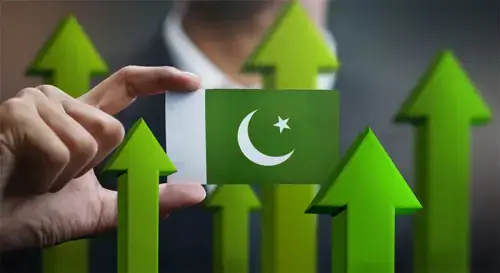
“If our economy is growing at 5 per cent, then tax should be generated at that ratio too,” Dr Bengali added.
He said we have exempted agricultural sector from taxation and the government has categorised this tax as a provincial subject and it was being used as a tax shelter, while 60 per cent of the tax burden was on industrial sector only.
Criticising the tax structure, he said there are two types of taxes direct and indirect, but the ratio of both the taxes is in adverse state. He pointed out that 80 per cent of tax revenue came from indirect taxes, while 2/3 from withholding taxes.
“An important fact is that the richest 10 per cent people pay 20 per cent of the taxes while the poorest 10 are paying 16 per cent of the total taxes collected,” he said and added that it means poorest were supporting the richest.
Dr Aasim Sajjad Akhtar of the Peoples Rights Movement (PRM) stressed the need for pro-poor policies and said taxation system in Pakistan had always been highly regressive and anti-poor. No government has ever been willing to enforce direct tax on the rich and, therefore, revenues are always generated by indirectly taxing the poor.
“The international donors that impose neo-liberal policies on us have never demanded structural reform to redress this anti-poor bias, but instead insist on financial and trade liberalisation which have reduced government revenues and made the economy even more vulnerable to the vagaries of the international market,” he added.—A Reporter