0
0

ISLAMABAD, May 29 His family once ruled the Swat valley. Now he can only watch as his beautiful ancestral homeland is torn apart by clashes between the Taliban and the military — with millions of civilians forced to flee.
“It's disgusting,” says Miangul Aurangzeb, the 81-year-old “Wali” of Swat, who blames the Taliban, military, government and just about everyone else for the mess.
“I wish there was no corruption in my country. I wish there was quick justice in my country. I wish the people had the sense to elect good people.”
Mr Aurangzeb was the heir apparent in Swat when it was one of the many princely states dotting South Asia. In 1969, more than two decades after Pakistan and India gained independence from Britain, Swat fully merged into Pakistan.
Mr Aurangzeb never got to rule Swat as the Wali, but says that under an agreement with the government in the 1990s, he was permitted to keep the honorific, although it comes with no power.
While he used to split his time between Swat and Islamabad, the bald, bespectacled Aurangzeb is now staying in the capital, where he keeps close tabs on the news and writes letters to editors about subjects that arouse his passions.
His two-storey house is modest and worn out — not at all palatial — and it quietly blends into a moderately upscale neighbourhood. Pictures of notables he has met, including the late John F. Kennedy and his wife Jacqueline, are prominently displayed inside.
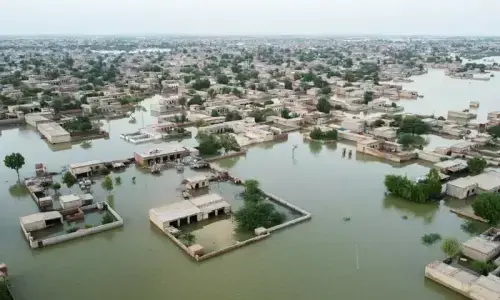
He is rather fortunate. Of the more than two million people who have fled Swat and surrounding districts over the past month, hundreds of thousands are living in sweltering tent camps while many others are staying with struggling relatives and friends.
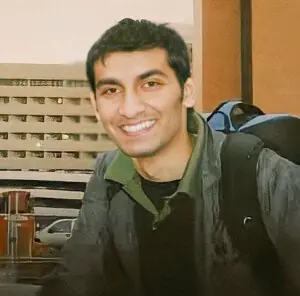
It's a stunning turn of events for a region that was a crown jewel in Pakistani tourism — and whose traditions were largely shaped by Hindus, Buddhists and Sufi Muslims, not the extremist Taliban fighters who have waged a violent Miangul Aurangzeb — AP
campaign there over the past two years.
The reign of Mr Aurangzeb's father was considered a relatively progressive time in Swat, with many saying the elder Miangul Jahanzeb was a benevolent autocrat. Son and father saw merger as inevitable, however, and didn't put up a fight.
“I knew that big fish eat small fish,” he told The Associated Press.
Despite being pressed, Mr Aurangzeb doesn't want to talk about personal memories of growing up a royal in the “Switzerland of Pakistan”. He was last in Swat in April, before the latest round of fighting began in earnest.
He focusses instead on the failings of a country he loves — its corrupt politicians, its habit of changing laws to suit powerful interests, its cronyism and nepotism. The list goes on. It's the judicial system however, that earns special ire.
Swat used to be governed by a blend of local customs, Islamic law and “common sense” as rendered by the ruler, Mr Aurangzeb says. Cases would be decided in one or two hearings, not stretched on for months or years the way they have since the Pakistani judicial system was adopted. Extremists, including the Taliban, have over the years exploited the grievance of delayed justice to gain followers in Swat.
Mr Aurangzeb, a moderate Muslim who wears Western dress, speaks perfect English and loves his email, can't bring himself to condemn the Taliban without criticising the government, too.
“The curse of democracy is that justice is very, very slow,” he says.
He points to a newspaper account of a case in Punjab, in which an influential landlord allegedly married off a 13-year-old girl to his 50-something brother, supposedly to avenge his daughter's elopement with a tenant's nephew.
“The Taliban would not have let this happen. My father would not have let this happen,” he says. “I ask the government of Pakistan, what are you doing about this?”
Mr Aurangzeb has harsh words for Pervez Musharraf, the former military dictator under whose watch Swat's situation began deteriorating. He claims Mr Musharraf let the Taliban run roughshod in Swat because it would help win more US aid.
The military has no choice but to fight the Taliban now, he says, but the problem should have been taken care of years ago, before it metastasised.
Asked what would have happened if Swat had retained its sovereignty, he says the region and the people would have been better off. But Pakistan would have loomed all around, and its leaders would never have left him alone, he says.
“Thank God I am not the ruler of Swat,” he says.
But if he were, would Swat have come to this? The Wali doesn't wish to dwell.—AP