BLOCKING cellphone service on chaand raat was a temporary and hopefully rare step. And making greater efforts to ensure that fake identities are not used to obtain SIMs is important. But the interior minister’s suggestion that it might make sense to shut down prepaid subscriptions altogether for security reasons — a plan he said is under review — is both carelessly communicated and fundamentally flawed. Of the country’s roughly 120 million subscribers, the vast majority — over 95 per cent — use prepaid SIMs. Aside from the convenience of obtaining them, these are more affordable for those who can’t afford the fees and deposits of postpaid plans. The lack of credit histories in Pakistan also means that moving to a largely postpaid set-up is still a distant prospect and that such plans will only include higher-income consumers for the foreseeable future. Any move to shut down prepaid service, then, would have serious consequences not just for the telecom industry but also for the ability of Pakistanis to communicate, which would impact both their personal lives and the national economy.
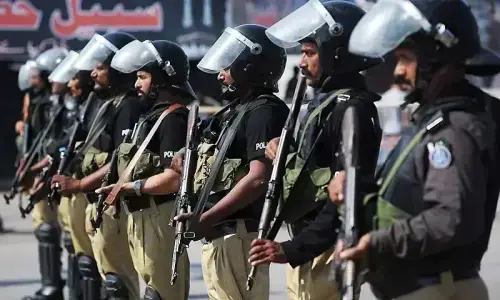
Some useful steps have already been taken and can be improved instead of taking extreme measures. PTA and telecom companies have run a campaign to encourage users to determine if their CNIC numbers have been used to issue multiple SIMs. But the current process for getting those SIMs deactivated is an onerous one for consumers, and the campaign should not have been set aside after one round of publicity. Shopkeepers issuing SIMs are now meant to register customers’ CNICs with the phone numbers issued, following which customers call their operators and confirm their CNIC numbers to activate their connections. But to what extent shopkeepers undertake this exercise honestly is an open question, and perhaps SIM sales need to be limited to telecom company outlets. Whatever the case, any steps should be constructive rather than damaging and need to be considered carefully. Already Pakistanis in many parts of the country live with check points, traffic diversions, the proliferation of guns and the curtailment of public entertainment. Mobile communication has been one of the few developments that have increased freedom of movement and stimulated the economy, and the authorities need to find creative ways to prevent it from being hijacked for criminal activities rather than shutting it down entirely. The wrong approach to security concerns is to constrain everyday lives to the point where fear overrides basic freedoms.