0
0

WASHINGTON: The United States on Thursday voiced concern over extrajudicial killings and religious intolerance in Pakistan, including in its troubled southwestern province of Balochistan.
In an annual report on human rights, the State Department said that the “most serious human rights problems” in Pakistan included extrajudicial killings, torture and disappearances by both security forces and militants.
“Lack of government accountability remained a pervasive problem. Abuses often went unpunished, fostering a culture of impunity,” it said.
In presenting the report, senior US official Mike Posner also highlighted an uptick in violations of religious freedom, including through controversial anti-blasphemy laws, as well as violence in Balochistan.
“We're very concerned about the violence in Balochistan. We're concerned about the effects of those who've challenged some of the laws, like the blasphemy law,” said Posner, the assistant secretary of state for human rights.
Posner raised the case of Aasia Bibi, a Christian woman sentenced to death in November 2010 for alleged blasphemy.
Assassins last year killed Salman Taseer, the governor of the central province of Punjab, and Shahbaz Bhatti, the minister for minority affairs, who both defended Bibi and sought reforms.
In her own remarks on the report, Secretary of State Hillary Clinton did not name Pakistan but voiced concern over the treatment of religious minorities including the Ahmadi community.
The State Department report also accounted allegations of rights violations in Balochistan, a highly sensitive issue for Pakistan.
The report, based largely on accounts by rights groups and officials, said that disappearances in Balochistan “remained a problem” with the mutilated bodies of 355 missing people found between June 2010 and December 2011.
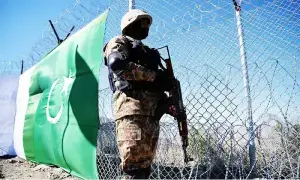
Baluch rebels rose up in 2004, demanding political autonomy and a greater share of profits from oil, gas and mineral resources in the region. The unrest comes as the United States an Pakistan focus on Islamic extremism in lawless areas on the Afghan border.
The State Department report also said that prison conditions were “extremely poor” in Pakistan, with accounts of torture, sexual abuse, overcrowding, inadequate food and medical care, and discrimination against minority inmates.