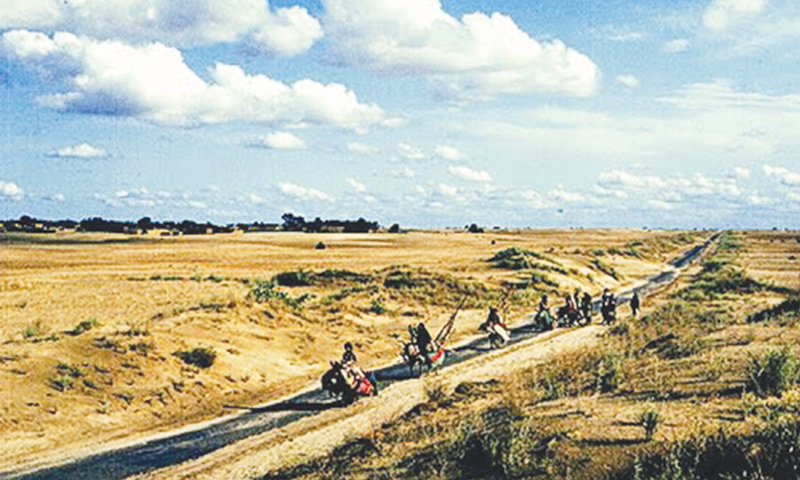


The Thal desert, situated in Punjab, is largely stretched between the Jhelum and Sindh rivers close to the Potohar Plateau. The desert covers the districts of Layyah, Muzaffargarh, Bhakkar, Khushab, Mianwali, and Jhang from the left bank of the river Jhelum.
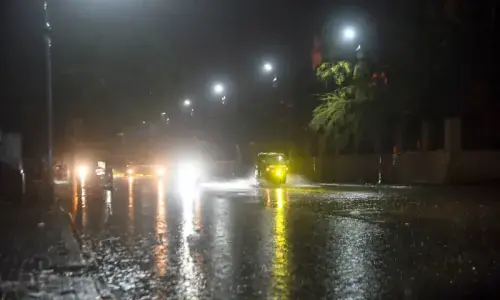
It is chiefly characterised by its sand dunes, wind cyclones, abundant sunshine and common drought prevalence. Underground water is usually brackish, unsuitable for drinking and irrigation purposes There is rampant occurrence of torrential, unpredictable and erratic rainfalls in monsoon leaving no chance of infiltration of water for storage.
Weather extremes have diminished the vegetation cover over the sandy soil. Hill torrents, flood havoc and torrential rainfall have massively devastated sandy soil. Wind cyclones have further augmented the erosion process.
Weather extremes have diminished the vegetation cover over the sandy soil
The sunshine has accelerated deforestation. Organic matter in soil is gradually diminishing, as is the micro flora and fauna. Soil productivity is down. The water table is getting lower. The application of farm-yard manure and green manuring usually done by women may somewhat ameliorate the severity of the situation.
Temperature fluctuations all day and night adversely affect the pollination process in plants. Scarce pollination means less fruit yield. Honey production has also decreased. Long drought spells due to climate change have increased the chances of disease and insect pest infestation in plants including canker in citrus plants and malformation in mango. It has also been observed that the infestation of yellow rust in wheat and barley has increased manifold owing to high humidity compared to previous years. Correspondingly, temperature fluctuations may have tremendously increased the infestation of wilt and blight in chickpea.
It has been further observed that even the common species of the desert are not seen in the nomadic life of Thal. Deforestation in Thal has diminished a variety of reptiles, amphibians, birds and mammalians which used to feed and live in the habitat of these trees.
Women are unpaid labourer and silent environmentalists working for the conservation of biodiversity deteriorating due to climate change. Their services have never been recognised and sensitised. They store seeds of different plant species (for their herbal use) for the next season’s cultivation.
Similarly, women who mange livestock and poultry have no doubt domesticated many rare species of goats, pigeons, chickens and francolins etc. Continuous forestation by women helps the families as timber, fuel, fodder, fruit, and shade protect against harsh weather. Most of the soil and water conservation techniques are conducted by women to improve their livelihood.
However, they are unable to understand the basic principles of engineering involved there. There is a need for the proper guidance, socialisation and sensitisation of women to conserve the flora and fauna. Some special demonstration techniques may be imparted to women of this region through well-trained female extension workers in collaboration with agricultural engineering and the soil and water conservation departments.
Malnutrition is common in the Thal zone. Women are not aware of the nutritional value of different plants and animals abundantly available in the agro-ecological conditions of Thal desert that could be added to the daily menu. Special nutritional guidance, awareness and trainings may be imparted to women through nutritionists and dieticians.
There is a need for launching a coordinated and comprehensive campaign to create awareness among residents of Thal on how to improve their livelihood. This has to be done under one umbrella organisation integrating the activities of all departments of agri-extension, wildlife, agricultural engineering, plant protection, food and nutrition and forestry. Wildlife parks may be set up in different locations of Thal zone where all diminishing plant and animal species may be reared under controlled conditions.
The writer is an instructor at the Agricultural Training Institute, Karor Lal Eason, Layyah
Published in Dawn, Business & Finance weekly, June 20th, 2016