QUETTA: Two factions of the Jamiat Ulema-i-Islam — JUI-Fazl and JUI-Nazaryati — announced on Thursday that all differences between them had been settled and that they had decided to merge with each other.
In 2007, JUI leader Maulana Asmatullah formed JUI-N in Balochistan after differences had emerged over policy matters, including support to Afghan Taliban.
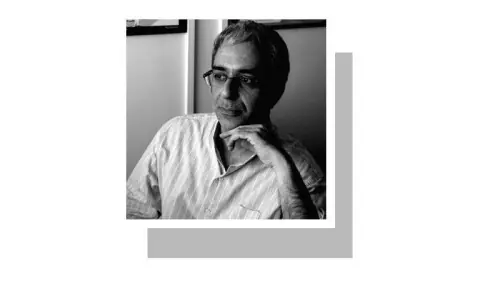
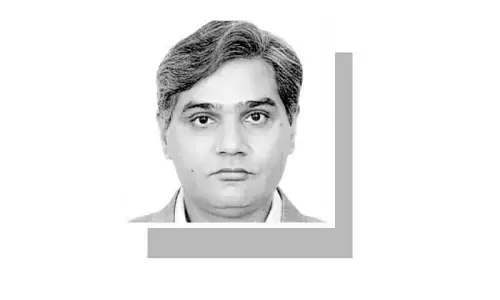
Central Emir of JUI-F Maulana Fazlur Rehman and JUI-N chief Maulana Asmatullah, along with another leader Mohammad Hanif, announced the merger of the two factions at a joint press conference.
A large number of workers and senior leaders, including Senate’s deputy chairman Maulana Abdul Ghafoor Haideri, Maulana Saleemullah Khan, Maulana Anwar-ul-Haq Haqqani, JUI-F’s provincial emir Maulana Faiz Mohammad and Malik Sikandar Khan, were present on the occasion.
Maulana Fazlur Rehman said the two factions “were branches of the same tree” but due to various reasons had gone separate ways.
“Once again we are on the same page” and would jointly continue our efforts for the achievement of the party’s goals, he said.
He paid tribute to senior leaders and ulema for helping bring about the merger.
Maulana Asmatullah said: “I formally announce the merger of JUI-N and JUI-F.”
He urged workers and leaders alike to honour the commitment they had made. “There are no differences in the party as all misunderstandings have been removed through negotiations,” he said.
The JUI was formed almost 100 years ago, Maulana Rehman pointed out. “We will celebrate our Yaum-i-Tasees in April 2017,” he said. In response to a question, the JUI-F emir said the National Accountability Bureau had been established by a military dictator to victimise his opponents.
Referring to the “action being taken against religious seminaries”, he said the government was implementing an international agenda. The authorities didn’t have the courage to take direct action against the seminaries.
He claimed that no seminary student was found to be involved in terrorist activities. Students of some secular educational institutions were indeed involved but the government did not take any action against them, he added.
Meanwhile, groups headed by Maulana Abdul Qadir Luni and some other leaders opposed the merger and announced at a public meeting at Meezan Chowk, Quetta, that JUI-N “would remain intact” and continue to oppose JUI-F policies.
Published in Dawn, February 26th, 2016