105
105

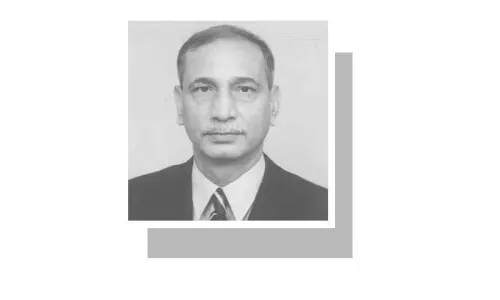
LAHORE: Trade relations with India will not harm Pakistan’s economy, says former Pakistani High Commissioner to India Aziz Ahmed Khan.
To emphasise his argument, Khan said trade with another neighbour, China, had not brought any negative impact to our economy.
He was addressing a round-table talk on Pakistan and India relations jointly organised by the Pakistan Study Centre and Pakistan National Forum here on Wednesday.
Mr Khan said interference in the affairs of each other should be avoided by both India and Pakistan.
He said Indian business tycoon Rattan Tata had secretly visited Pakistan in 2005 and offered to invest $5billion but it could not be materialized.
He said Pakistan had been gradually increasing the number of items on positive list. “Trade can help ease tension between the two countries and help resolve other important issues,” he said.
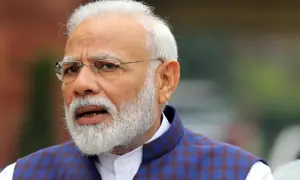
Aziz Khan further said the peace process between the two nations which had started from Ufa was derailed because Pakistan wanted inclusion of Kashmiri leaders in the talks which was a normal practice earlier but India took a hard line. He said the relations got strained when Modi came to power.
He spoke about irritants between the two countries such as Kashmir, Siachen, Sir Creek and trade. In 1989 India was ready to withdraw its forces from Siachen but developments in the region harmed the process.
The former high commissioner said the Kashmir dispute had been a bone of contention since independence, however, during the Musharraf era some major developments were made and some initial steps such as start of a bus service resulted in enhancement of people to people contact. However, the Mumbai attacks in 2008 changed the whole scenario.
Punjab University Vice-Chancellor Prof Mujahid Kamran stressed the need to focus on education and research to deal effectively with the problems faced by Pakistan. Director of Pakistan Study Centre Prof Massarrat Abid presented an overview of the factors which led to Indian Prime Minister Narendra Modi’s visit to Lahore. She described the visit as a positive move towards construction of better relations between India and Pakistan.
The round table conference agreed that only dialogue could deliver peace in the region and people to people contact must be enhanced.
“Pakistan is willing to work for peace in the region but not at the cost of Indian hegemony,” it agreed.
The faculty members, researchers and PhD scholars of the Centre and different departments of the Punjab University participated in it.
Published in Dawn, December 31st, 2015