6
6
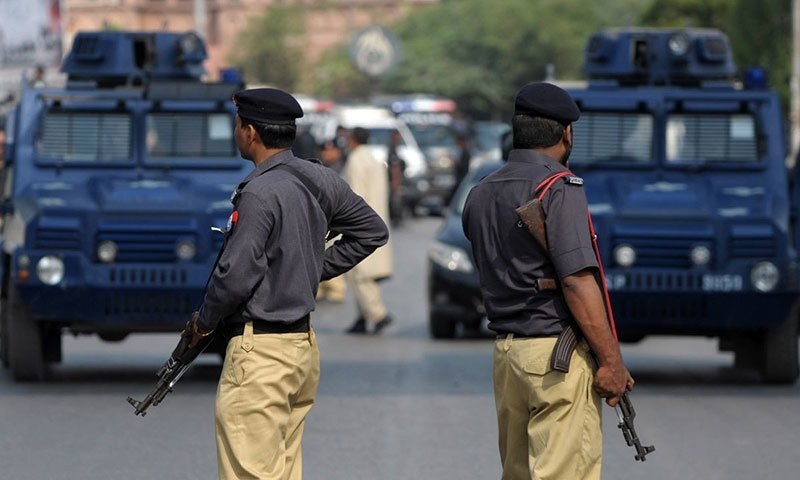

A MEGACITY like Karachi does not give up its criminals easily; particularly so when such elements have been allowed to entrench themselves over a long period of time in the very vitals of the metropolis.
On Saturday, the city police chief and a Sindh Rangers representative, among others, addressed a news conference to mark the two-year anniversary of the ongoing operation to restore law and order in Karachi.
The outcome so far indicates that while much has been achieved, and some processes are being put in place to check criminality, much more remains to be done to instil a sense of security among citizens.
Also read: Karachi operation: ‘Crime down but sleeper cells still exist’
According to the police chief, the Karachi operation has led to a 70pc drop in heinous crimes including targeted killings, kidnapping for ransom, extortion and other acts of terrorism.
However, he said, mobile phone and motorbike snatching remained a challenge, with the aforementioned crime actually registering an increase. The police chief also conceded that terrorist sleeper cells continued to exist in the city but that law-enforcement agencies were making efforts to track them down.
The Karachi operation needs to be further finessed if the terrorist menace is to be decisively rooted out. Sleeper cells are a means whereby terrorist organisations make space for themselves in a society; these organisations also create sleeper cells as a survival strategy when they are under threat, such as in Karachi at present.
Because these sub-units consist of a few individuals — who sometimes seem to lead ostensibly ‘ordinary’ lives — and maintain only minimal links with their parent organisation, they can be difficult to detect.
Their ability to inflict harm, however, is formidable, especially when they work in tandem with other cells. The teeming urban enclaves and chaotic labyrinth of unregulated settlements on the city outskirts that were a reservoir for criminality until the operation began in September 2013, possibly still offer refuge to such offshoots and the remnants of the terrorism infrastructure from which they draw sustenance.
Top-drawer intelligence is the only way to eliminate the threat that they pose. Notwithstanding the culpability of some elements in the provincial political set-up, it could also be argued that the Rangers-led operation has spread itself too thin by venturing into the domain of white-collar corruption rather than focusing single-mindedly on eliminating terrorist groups.
Moreover, until street crime continues to flourish, no law and order operation can be considered truly successful or sustainable.
Published in Dawn, September 8th, 2015
On a mobile phone? Get the Dawn Mobile App: Apple Store | Google Play