0
0

PUTRAJAYA: The most serious forms of corruption are one of the biggest threats to the new development goals due to be adopted by world leaders this month because they deprive the poor of millions of dollars, campaigners said.
Nearly $1 trillion in illicit finance, much of it amassed by those in positions of high authority, is estimated to leave poor countries each year, money that could help replace shrinking aid budgets and support the Sustainable Development Goals (SDGs).
“Grand corruption is a big problem for development because of the massive amounts of money involved,” Akaash Maharaj, executive director of the Global Organisation of Parliamentarians Against Corruption (GOPAC), told the Thomson Reuters Foundation on the sidelines of an international anti-corruption conference in Malaysia.
Anti-graft campaigners fought successfully for the inclusion of a corruption target in the SDGs but say that it will be a struggle to implement it globally as kleptocrats continue to steal millions from the poor.
While most countries have established a legal framework to fight corruption they often struggle to enforce their laws because those who have grown rich and powerful through corruption are able to shield themselves from the rule of law.
SEEKING JUSTICE: Citizen activism increasingly plays a major part in scrutinising and bringing to justice senior officials accused of corruption, said Jose Ugaz, chair of anti-graft group Transparency International.
One model for such citizen activism is the criminal proceedings brought in 2007 by non-governmental organisations and a citizens’ group accusing three African heads of state — Teodoro Obiang of Equatorial Guinea, Omar Bongo of Gabon and Denis Sassou-Nguesso of the Republic of Congo — of embezzling state money to buy properties in France.
In Malaysia, tens of thousands of demonstrators took to the streets of the capital Kuala Lumpur last weekend to demand the resignation of Prime Minister Najib Razak amid allegations that a donation of almost $700 million was paid into his personal bank account. Najib denies any wrongdoing.
GOPAC, meanwhile, wants grand corruption to become a crime to be punished under international law or in regional courts.
“This will enable international institutions and alliances to prosecute offenders and develop additional mechanisms to apprehend and prosecute those who have committed crimes of grand corruption,” Maharaj said.
UNMASKING THE CULPRITS: Some of the world’s largest banks as well as law and accounting firms have been found to play a role in enabling corruption by helping those in power and criminal networks to launder money.
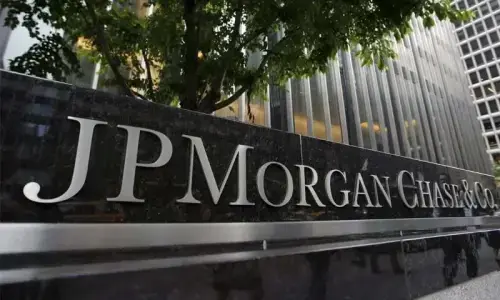
In the past few years, US authorities imposed heavy penalties on banks including HSBC, Credit Suisse and JP Morgan for anti-money laundering and sanctions violations.
“Banks tend to make lots of money from taking dirty money, but there are still very little downsides (for individual bankers),” said Stuart McWilliam, senior campaigner at anti-corruption organisation Global Witness.
To name and shame the corrupt, Transparency International has launched a new campaign, “Unmask the Corrupt”.
“It throws a spotlight at individuals, such as kleptocrats, so that societies no longer have to tolerate the corrupt in their midst and their days of impunity are numbered,” Ugaz told the Thomson Reuters Foundation.
To stop the corrupt enjoying the proceeds of their ill-gotten gains, TI is calling for greater use of travel bans and for those who sell luxury goods — from property to jewellery — to find out if the money used to buy them was earned legally.—Reuters
Published in Dawn, September 5th, 2015
On a mobile phone? Get the Dawn Mobile App: Apple Store | Google Play