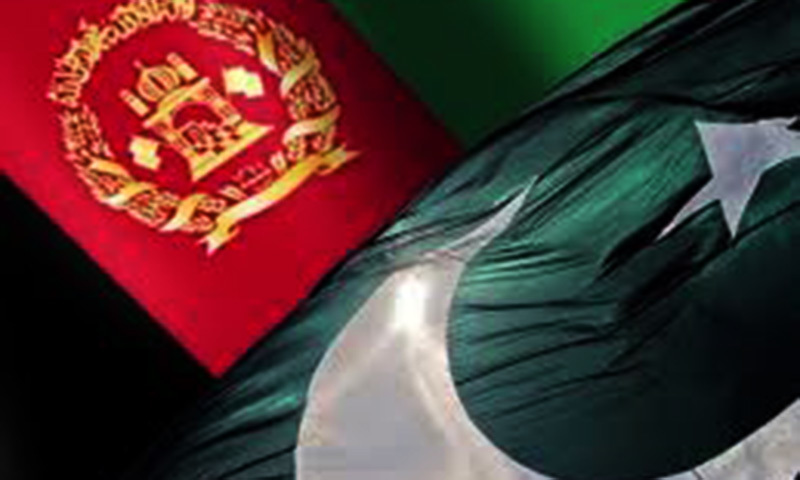
IF both sides are committed to meaningful implementation, the landmark agreement between the ISI and the Afghan intelligence service, the National Directorate of Security, could fundamentally alter the dynamics of a mutually damaging relationship stretching back decades.
Consider the history here: from the decades that span Khad to WAD and, in its present form, NDS, the Afghan intelligence set-up has been aligned with powers hostile to Pakistan. Meanwhile, the ISI has for decades considered exerting influence inside Afghanistan to be one of its two principal aims, the other being shaping the relationship with India.
For the NDS, with its open partiality for India, to seek to formalise and widen its ties with the ISI is nothing short of historic. While details of the MoU have not been revealed, there is a sense that events since December last year have helped make the historic agreement possible.
Know more: ISI, Afghan intelligence in landmark deal
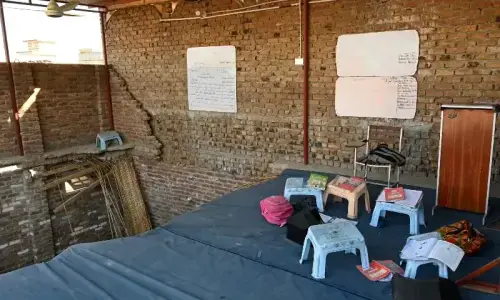
In particular, after the Peshawar school attack, the emergency trips by the army high command to Kabul and Afghan President Ashraf Ghani’s willingness to help Pakistan without imposing preconditions resulted in unprecedented intelligence cooperation — including the much-rumoured access that the Afghan government gave to prisoners in Afghan custody that Pakistan wanted to interrogate.
What happens next though depends much on how the Pakistani and Afghan sides are able to prioritise their respective interests and accommodate the concerns of the other. Both sides have created goodwill with the other despite the odds.
President Ghani has withstood furious opposition inside Afghanistan to continue with his policy of trying to create a new era of positive ties with Pakistan.
Inside Pakistan, the army leadership has pursued better ties with the Afghan government in the face of resistance by hawks in the security establishment who consider the post-2001 dispensation in Afghanistan to be unacceptably tilted towards India.
There are clearly significant camps in both countries that view the relationship as a zero-sum game and in a regional context that focuses on India’s relationship with Afghanistan.
There is also, however, some kind of common ground visible: both the Afghan and Pakistani sides need and want better border management to curb the activities of anti-state militants on both sides of the Pak-Afghan border.
Intelligence cooperation is key in such matters and if the NDS and ISI can find a way to ratchet up cooperation, it will surely help ratchet down tensions in the overall bilateral relationship.
Published in Dawn, May 20th, 2015
On a mobile phone? Get the Dawn Mobile App: Apple Store | Google Play