THROUGH the thin covering placed in the name of secrecy, this world has been allowed to see it all — spy wars and celebrated undercover agents stalking places and people for the purported sake of patriotism, nation, race and religion. The objective has been as much intelligence-gathering as it has been to deter and intimidate everyone around. And as conspicuousness goes, the Pakistani intelligence agencies can doubtless rival the most visible spy networks there have ever been. There is little in the country that cannot be, logically, blamed on these agents, and with time, the substance in allegations of intelligence agencies committing blatant excesses has been increasing.
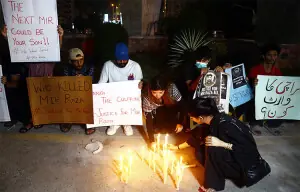
In recent days, these accusations have related to a young man who went missing in Bahawalnagar last year and the sudden telltale disappearance of an anti-drone activist in Islamabad. On Wednesday, a report submitted in the Supreme Court by the Punjab police hinted at the possible involvement of the ISI in the Bahawalnagar case. In the other case, the anti-drone activist went missing some 10 days ago, just when he was about to take his case, built around the death of his son and brother in a drone strike in 2009, to Europe. Regardless of the impact of the activist’s being picked up by mysterious men in the midst of the drive to obtain figures for the number of civilians killed in drone attacks, it is alarming that these disappearances continue. They have been going on despite court interventions and growing protests by lawyers, rights activists and people at large. The ‘campaign’ to rein in the agencies appears to have got stuck.
The government has so far done little to betray that it has the resolve to remove suspicions regarding the state’s intelligence agencies including the ISI. A good first step in a necessary clean-up exercise would be for the government to assert some control over these agencies’ workings. That has not been attempted in times where a government is ready to delegate its functions to peace committees comprising journalists and other non-official members. Instead, and not unexpectedly, the government has come up with the Protection of Pakistan Ordinance. Mooted in ‘extraordinary’ circumstances, this law raises genuine fears about its utilisation in legalising some actions purported to be carried out under cover, altogether doing away with the thin veneer beneath which the secret world has so far existed. Having thus stated its intentions, the government has returned to its refrain about the supremacy of democracy and to the vows of resolving all issues — from the war against militancy to the trouble in Balochistan — amicably. Democracy is certainly not about the elected being content with the illusion of power while the shots are called by the likes of mysterious silhouettes and their modern legalised reincarnations.