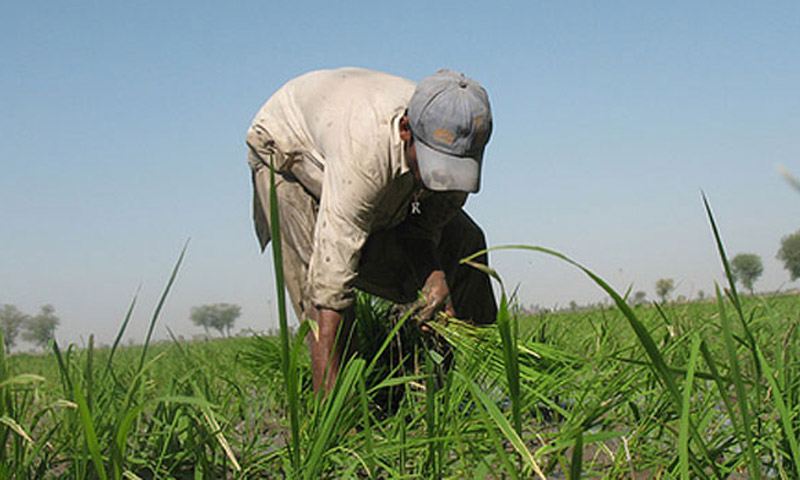
With Rabi season so far receiving exceptionally low rainfall from October to December, and the meteorological forecast that the next three months would hold the pattern, the agriculture cycle is in real trouble. According to the meteorological data, the country received 28 per cent less rains during October and December last year.
The provincial variations were even more disastrous resulting in Punjab suffering a 20 per cent rain shortage whereas Sindh sustained 72 per cent deficit. December was particularly harsh as national shortage rose to a horrendous 92 per cent, with Sindh suffering at 97 per cent.
The meteorological officials say the national loss would persist at above 30 per cent, with regional variations taking additional toll. This rain loss would be on the top of frosty weather, which regularly pushes farm temperature below the freezing point during nights.
To add third dimension to this crisis is national canal water shortages, which are estimated at 16 per cent for the remaining Rabi season. At this point of time, this three-dimensional crisis is causing huge concerns among the provincial planners and farmers.
Apart from fears that stem from individual orchards farmers, the emerging national worry is now wheat – the staple. The anxiety particularly severe due to role that favourable weather played in wheat production during the last one decade, especially in the last five years. It has been healthy showers during January and February that helped the crop to improve yield. Relatively mild March capped each production year in the last few years. These were healthy rains last year that generated a huge biomass on the crop and led to initial mirage of a bumper yield.
Apart from weather vagaries, what worsens the provincial planners’ fears is the fact that even during these five good harvests, Pakistan has not been able to achieve around 24 million tonnes target. If unfriendly climate, as farmers fear, takes 10 to 15 per cent toll on yield this year, the farmers would suffer losses and Pakistan may have to import somewhere close to over two million tonnes of wheat this year. Even with favourable wheather, import of over 800,000 tonnes of commodity has been incurred so far this year. To make the matter worse, the import has not been able to stabilise the domestic market, which has been precarious: in many parts of Punjab wheat price has touched Rs1,500 per 40Kg.
Farmers claim they would be left with two options, both exceptionally expensive. They either have to compromise on production or supplement irrigation requirements with pumping out ground water. In either case, their cost of production would go up substantially. Two diesel-driven watering would cost them around Rs8,000 per acre.
The Irrigation Department maintains that the rain pattern was part of its planning and it was on the basis of these losses they calculated 16 per cent water shortage. The loss was factored in the calculation and later in planning stages for canal operation. All canals that run through the frosty areas would get preference and so would be canals that run through areas that take rain losses.
The department is alive to the situation and trying to contain losses to ‘some extent’. However, they concede that losses would be particularly high on over two million acres that fall in the rain-fed areas.
These rain-fed areas run another equally huge risk in gram crop, which falls fifth on national list after wheat (22 million acres), cotton (eight million acres), rice (six million acres) and maize (three million acres). On average, it is sown on 2.7 million acres, which is more than much celebrated cane crop, which covers only 2.2 million acres. The gram crop is in real danger because of frost and lack of rain. Incidentally, the crop falls in the most under-developed areas – Bhakkar, Jhang, Mianwali, Khushab and Layyah – of the province, where farmers have very limited financial capacity to take losses.
Apart from these two major crop losses, mango, citrus and guava are also in for huge trouble. In fact, guava has already started disappearing from the market and mango and citrus are suffering on quality and size.
These climatic variations also call for more active planning.