ISLAMABAD: The government is not allowing international humanitarian aid agencies to go into earthquake-affected districts of Balochistan.
In a press statement posted on its website on Oct 4, France-based Doctors Without Borders has resented the government’s reluctance to allow its medical care providers to enter Awaran, the area which suffered the most when the earthquake struck the province on Sept 24.
It said: “Despite daily discussions with the government of Pakistan, Médecins Sans Frontières/Doctors Without Borders (MSF) has not yet been granted permission to work in the affected area.”
MSF’s spokesperson in Pakistan said as of today (Monday) there was no headway in negotiations between the government and MSF officials.
She said: “Our teams of doctors are ready to go to the affected areas, but we are yet to get a formal authorisation from the government.”
But National Disaster Management Authority’s spokesman Adrees Mehsood said no such assistance was required because the NDMA had already provided food, shelter, medical care and other goods to the entire population of 125,000 in the area.
He said international aid agencies were not allowed to carry out relief work because the government had not sought their help.
Mr Mehsood said an international call by the host government was mandatory to let foreign NGOs in the disaster-hit areas.
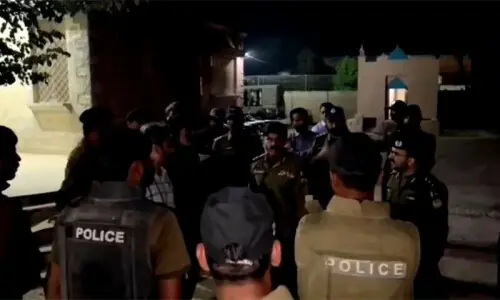
He said the government also did not want to have foreigners doing relief work as the law and order situation was bad in the area.
But MSF claims that still there are areas where the government aid has not reached. Balochistan, where MSF is already working, is the most impoverished province, which has some of the worst health indicators in the country, the MSF said.
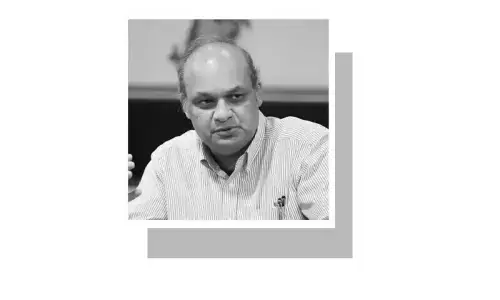
Ahmar Bilal Soofi, a former caretaker law minister and international lawyer, said aid agencies could directly approach the host country and offer assistance. This is how they work all over the world, he added.
But a nationalist Baloch leader, who didn’t want to come on record, said there was a tacit agreement between the government and Baloch insurgents that foreigners should not be allowed to operate in the area. “Baloch militants don’t want foreigners reaching their hideouts in the garb of humanitarian aid workers,” he said.
Experts believe that the government, particularly the security establishment, which over the years had been in effective control of the province, doesn’t want to let the international community in the affected areas and learn about the situation on the ground.
Despite repeated attempts, nobody from the Balochistan government was available for comment.
The Minister for States and Frontier Regions, retired Lt General Abdul Qadir Baloch, told Dawn that the authorities concerned must have genuine reasons for not allowing international NGOs to get into quake-affected areas.
“But I personally believe that fragile law and order conditions must have forced the authorities to deny NGOs access to the affected people,” he said.