KARACHI, Nov 21: The much-awaited forensic investigation report on the stock market crash of March 2005, which was placed by the Securities and Exchange Commission of Pakistan (SEC) before the parliament’s standing committee on finance on Tuesday, categorically stated that the investigators “did not find sufficient evidence” which could prove that “certain influential brokers systematically and manipulatively inflated and then deflated market prices, reaping profits in the process”.
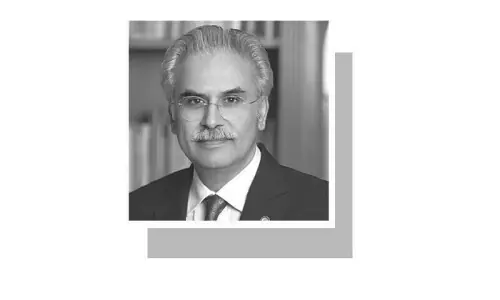
Investors who may have been looking forward to the uncovering of names of high profile officials of the ministry of finance along with big brokers’ involvement in March 2005 stock crisis, could not have been more thoroughly disappointed. It was Dr Tariq Hasan, the then chairman of the SECP, who had stirred the hornets nest by pointing accusing finger at people in high places as major beneficiaries, which had made even President Musharraf very cross.
“It is this man Tariq Hasan alone who is responsible for the stock crisis, for what was he doing as the chief of the apex regulatory body,” the president had thundered in a televised interview. In order to dispel those allegations, the US forensic investigators had been called in and dig out the truth.
When asked by Dawn on Tuesday of what he thought of the forensic report, the sacked chairman of SECP, Tariq Hasan, responded: “Justice for the rich.”
The 161-page report -- to which 67 pages were added later -- made the stunning statement that the findings of forensic investigators “greatly differed from findings of the task force (which was set up soon after the March crisis), basic being that potential wrongdoing by individuals may be there but no collective manipulation”.
US firm, Diligence, which claims to provide services to Fortune-500 companies, besides other high profile clients worldwide, had been commissioned by the SECP in July 2006 at an estimated fee of $1 million to dig deeper into the March 2005 crash, which had seen 25 per cent of the market value evaporated in just eight sessions, with the KSE-100 index plunging from 10,303 on March 15 to 7,708 on March 28.
The report of the forensic investigators underlined the main subject of the report as “manipulation by major market players causes and whether manipulation or wrongdoing had contributed to widespread financial losses”.
Much to the chagrin of the opposition in the assembly and half of the market, the answer of the investigators was a simple: “No”. Yasin Lakhani, former chairman of the KSE, expressed his disappointment, saying that the motto of the investigators seemed to be: “See no evil, hear no evil and report no evil.”
But another major broker, who asked not to be named, said he would side with the spies: “If there was nothing wrong, what could anyone find?” He thought that the view of opponents was to push stock brokers in the dock and declare them as ‘guilty unless proved innocent’. He, however, conceded that a large number of brokers had taken future position in March 2005 contracts above the permissible limit of Rs50 million, but he argued that it had to be seen if the broker held deliveries or were they ‘blank sales’. “In case of the latter, the participants could be penalised, but not otherwise.”
An analyst said that the penalty for violation of Sec 17, which deals with the above, is Rs30,000.
Six of the seven parts of the report delves entirely on the ‘carryover transactions or badla’. And in looking for the clues, the report admitted of “inconsistent and often incomplete nature of trading in related records and information provided to Diligence”.
The investigators did not quantify the losses arising out of the crisis, but did express the grievance: “We are sensitive to the fact that many investors may have lost ‘significant sum’ in the KSE crash of March 2005,” they stated in the report and went on to suggest that risks and rewards were part of the game of high finance in stocks.