0
0

ISLAMABAD, Aug 19: The Sri Lankan government has delayed the second phasing-out of tariffs on products other than those in their no concession lists, which was due from July 1, 2006 under the Free Trade Agreement (FTA) with Pakistan, it is learnt.
Pakistan and Sri Lanka had agreed a time-frame under the FTA effective from June 12, 2005 to phase-out tariffs to zero per cent in a period of three to five years on the respective products not listed in the negative lists of the two countries.
A diplomatic source told Dawn that it was expected that Colombo would notify further reduction in tariffs in the next two months most probably in September.
When asked about the delay in the agreed reduction, the source said that due to political turmoil in Sri Lanka, it was not feasible for Colombo to notify the further reduction. The Sri Lankan government had even not ratified the South Asian Free Trade Area (Safta), which was also due before July 1, 2006, he added.
When contacted Secretary Commerce Syed Asif Shah confirmed that the second reduction in duty under FTA with Sri Lanka has been delayed. He said that due to political changes in Sri Lanka, the issue was not considered timely.
Mr Shah said that Pakistan would also notify further phasing-out following similar reduction was announced by the Sri Lankan government and it might be notified in a month or two. However, it was not clear whether the reduction would have the retrospective effect or with current effect.
According to the agreed time-frame, Pakistan would have to reduce the tariffs to zero per cent on products other than those included in the negative list within a period of three years following the implementation of the agreement. This include reduction by more than 34 per cent at the time of entry, more than 67 per cent by second year and 100 per cent at the end of the third year of the agreement making it zero per cent.
In case of Sri Lanka, the tariff phasing-out schedule includes reduction by 20 per cent at the implementation stage followed by 30 per cent at the end of first year; 40 per cent by second year; 60 per cent by third year, 80 per cent by fourth year and 100 per cent at the end of five years of the agreement to zero per cent.
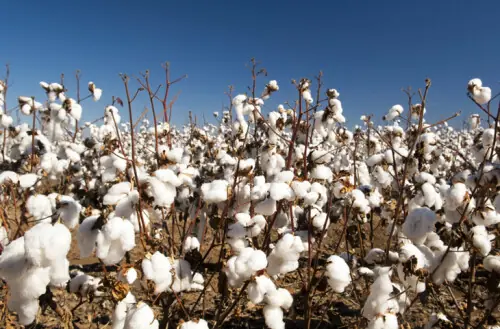
Despite the fact that Pakistan continues to be the second largest trading partner of Sri Lanka within the South Asian region, a closer look at the composition of exports reveal that the majority of the products exported by Pakistan includes cotton, rice, fish products, man made staple fibres, iron and steel based products, medicines, fruits and vegetables such as potatoes, onions, oranges, spices like coriander, cumin and fennel seeds, polymers of propylene, plastic products, textile fabrics etc.
The Sri Lanka's major exports to Pakistan at present are coconut and coconut products, natural rubber, tea, vegetable products, fibre boards of wood, garment accessories, spices, articles of plastics, natural graphite, aluminium-based products etc.