The Samadhi of Baba Mohan Das, an ancient saint, is crumbling due to the wear and tear of time and neglect. The samadhi (shrine) is located in Karnali village near the Sukho town of Gujar Khan.
Baba Mohan Das was a saint equally popular among the Hindus, Sikhs and Muslims of 19th century in the subcontinent.
The shrine was so famous that it found a mention in the district gazetteer of Rawalpindi compiled in 1894. The gazetteer on page 81 states that Baba Mohan Das was a fakir who died about 12 years ago (probably in 1882). The gazetteer says that the Besakhi festival, annually held on the first of Besakhi (Sikh colander) at the shrine, used to attract over 8000 participants - second largest after Saidpur village congregation in the district.
It is pertinent to mention that the total population of the whole district of Rawalpindi at that time was not more than 0.4 million.
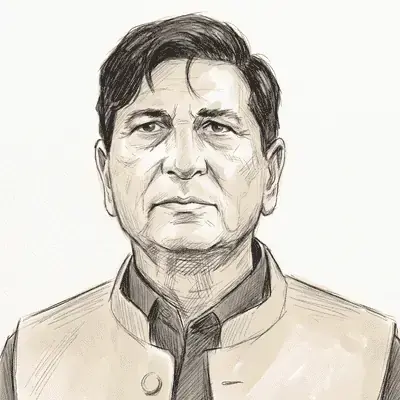
Chaudhry Mohammad Ashraf, former chief secretary, who hails from the neighbouring Dokhooah village, pointed out that people from all over the United India used to visit the village festival at Karnali.
He regretted that the monument was on the verge of collapse.
Mr Ashraf said: “The dilapidated shrine belongs to a much earlier period than the British colonial rule or even the Sikh regime (1801-1849). The Besakhi festival at Karnali and the environment where it used to be held was a remarkable feature of the Potohari cultural ethos. It was of a much longer heritage than the lifetime of Baba Mohan Singh.”
The retired bureaucrat having keen interest in the history and cultural heritage of the subcontinent recollected an incident at the Besakhi village fair. “My father, Chaudhry Alim Din used to recall an incident connected with the aforementioned fare. As a teenager, he once visited the celebration of Besakhi in the 1890s. In his boyish enthusiasm, he jumped on the rickety, wooden merry-go-round. The contraption came down crashing when in full swing, hurling the riders on the ground. Luckily, he survived the fall without suffering any serious injuries, but the pain and shock of the accident were so traumatic that he had to drop out of school”.
He added: “The village festivals in Punjab were celebrated since time immemorial, particularly that of Besakhi. It was not a Sikh specific celebration but a multiple inter-communal, secular way of thanksgiving for the bountiful harvest gathered from numerous farms. The participants in these festivals comprised landlords and tenants; serfs and sharecroppers, who mingled with enthusiasm and bonhomie without any discrimination. The day was theirs to have fun and enjoy the freedom of the space, in sports competitions and musical soiree. As for Baba Mohan Singh, I am afraid that hardly anyone alive in the area would be familiar with this name. It would be safe to assume that this Baba was no saint or a legendary personage. At best, he might have been a guru occupying the hereditary seat of the head of an obscure cult. In modern parlance, such a character is known as a godman”.
Emphasising the need for reviving and promoting Besakhi festivals, Mr Ashraf remarked: “Few people, moreover, still know about the significance or appreciate the essence of Besakhi as a cultural landmark of yesteryear.”
If, however, Basant can be revived, why not Besakhi, he added. If that could happen, may be the hallowed ground around the ancient forest and agriculture get a second life.
There is also a large pond bordered by stairs of bricks while huge Banyan and Peepal trees in vicinity.
However, the structure of the graceful building is crumbling and will collapse if the authorities continue to neglect it. The pond is also being filled with earth with the bricks wall and stairs sinking. There is a dire need for the preservation and protection of the ancient monument.
Published in Dawn, June 1st, 2026