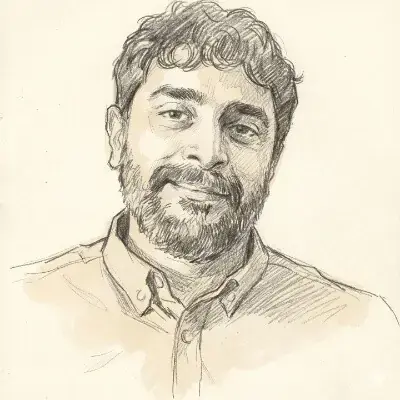
KARACHI: The already strained relationship between the centre and Sindh soured further on Tuesday after the provincial authorities ruled out any possibility to return control of Karachi’s three major health facilities to Islamabad.
The resolve was expressed during a press conference by Sindh government’s spokesman Barrister Murtaza Wahab when he clearly denied any compromise over the administrative control of the Jinnah Postgraduate Medical Centre (JPMC), National Institute of Cardiovascular Diseases (NICVD) and National Institute of Child Health (NICH).
The three major health facilities have been added to the Schedule of Federal Medical Teaching Institutes Ordinance, 2020 — a move being seen as a first step of the federal government to take over control of JPMC, NICH and NICVD.
PA body okays draft bill to declare making, use of ‘ice drug’ a crime
“The NICVD and other two hospitals do not belong to anyone,” he said in response to a question about what would the Sindh government do against Islamabad’s move. “These three hospitals have treated patients from all over Pakistan and have served the public for free with transparency. These three hospitals will remain with us.”
The Ministry of National Health Services, Regulations and Coordination has recently released a notification under which four health facilities — three of them located in Karachi and one in Lahore — have been added to the Schedule of Federal Medical Teaching Institutes Ordinance, 2020.
These institutions are Karachi’s JPMC, NICVD, NICH and Lahore’s Sheikh Zayed Postgraduate Medical Institute (SZPMI).
Interestingly, the notification dated Jan 7, 2021 is not marked to the Sindh health department — a major stakeholder that has been claiming administrative control over the three Karachi hospitals for a decade.
Draft law declares use of ‘ice’ a crime
Meanwhile, Barrister Wahab shared sketchy details about two new laws pertaining to the Succession Bill and the Bill on Drugs 2012.
“In today’s meeting, the Standing Committee on Law has approved the Succession Bill, including the Amendment Bill on Drugs 2012,” he said. “Similarly, making and using synthetic drugs, including cocaine and ice, has been declared a crime. No matter how powerful a person is, if he is found involved in drugs, he will not be released. There will be severe penalties for the manufacture, use and supply of drugs such as cocaine and ice. In addition, the public must support the government so that we can keep our future generations away from the ill effects of drugs.”
He said that unlike the federation, the Sindh Assembly was carrying out its constitutional work and soon death certificates would be obtained from the National Database and Registration Authority, which would be done in shortest possible time.
Published in Dawn, January 13th, 2021