PESHAWAR: The provincial government has finalised a plan to transfer about 600 doctors in one go to rationalise availability of healthcare services in all primary, secondary and tertiary care health institutions and improve diagnostic and treatment services in the province.
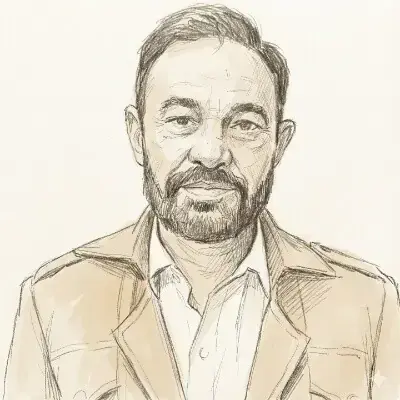
Health Secretary Dr Syed Farooq Jamil told Dawn that the plan meant to improve health services in public sector hospitals was approved by the government the other day. The transfer orders will be issued next week.
“About 600 doctors would get new assignments as we have decided to deploy medics where their services are needed the most. We have specialists working in basic health units but we need them for tehsil and district level hospitals,” he said.
Medics will be posted in those areas where their services are needed the most
Dr Farooq said that a neurosurgeon posted in a basic health unit would be sent to hospital where he could examine and operate on patients. He said that the mass transfers programme was in consonance with the law as a result of which no one would suffer.
He said that the drive was only aimed at strengthening the system to make patients’ care effective. He said that health department wanted to streamline allocation of human resources to the facilities in line with the needs of the population under a policy to make available services of doctors in hospitals and facilitate patients in their native areas.
“Legally, all the doctors are required to work in their districts of domicile for at least three years. The policy for merged tribal districts is the same,” said the official.
He said that tribal districts had seven district headquarters hospitals, four tehsil headquarters hospitals and primary care facilities that could be strengthened by sending native medics there. He added that all the specialists or those doctors, who had completed training for specialisation, would be sent to hospitals where the posts existed.
“All posts from BPS-17 to BPS-19 will be filled next week. We have done a complete exercise to ascertain the present situation regarding availability of doctors in hospitals and the workload of patients. The focus is on strengthening infrastructure along with staff, including doctors, nurses and paramedics,” said Dr Farooq.
He said that the doctors working in the adjacent districts would not be transferred to their native ones. “The others, who enjoy exemption under spouse policy, will not be transferred and would continue to work in their stations of duty,” he said.
The official said that those doctors, whose performance in out-of-domiciled district was acknowledged, were also spared. He said that a policy of domiciled-based posting of doctors was also devised for transfers on rotational basis.
“We have verbally got approval from the government to place complete ban on transfers once we issue the order. However, a committee has been constituted to look into the grievances of some of the doctors,” he said.
Dr Farooq said that under the plan, the doctors, who worked in the medical teaching institutions despite being civil servants, would also be transferred to the facilities being run by the health department.
The official said the department had 5,500 doctors and after the enforcement of rationalisation programme, it would recruit people on contractual basis till the provincial public service commission selected regular doctors. “The newly-hired persons will be posted on need basis,” he added.
Published in Dawn, April 11th, 2019