0
0

BEIJING, March 8: China’s largest oil producer, the China National offshore Oil Corp. (CNOOC), said on Saturday it would pay $615 million to Britain’s BG Group for a stake in an oil and gas field in Kazakhstan.
Under the terms of the deal, CNOOC will get 8.33 per cent of the North Caspian Sea project, including the Kashagan oilfield, which could contain reserves of 13 billion barrels of oil, Xinhua news agency reported.
This acquisition allows the company to gain a firm foothold in one of the world’s most prolific oil and gas basins, Xinhua said, quoting CNOOC chairman and chief executive officer Wei Liucheng.
The acquisition marks another step in China’s quest to decrease its reliance on oil from the Middle East.
Increasingly energy-hungry China has been a net importer of oil and natural gas since 1993 and last year imported 70 million tons of crude oil, or 15 per cent more than the previous year, valued at $12.7 billion.
CNOOC has spent more than $1.1 billion buying reserves in Australia and Indonesia, the report said.
PetroChina announced plans Friday to diversify its largely domestic sources of crude by moving into Southeast and Central Asia to meet China’s surging demand for energy.
China’s State Development Planning Commission outlined plans Saturday to invigorate its backward western regions, hoping to surmount the problems of rural poverty that are likely to vex China’s new set of party mandarins in coming years.
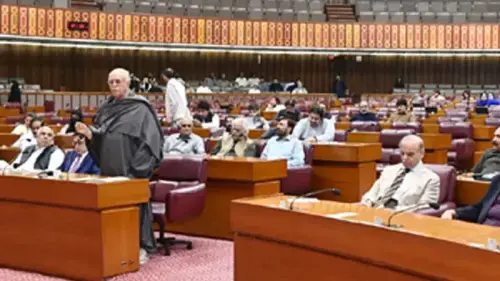
In his report to the National People’s Congress, the annual session of parliament, planning department vice minister Wang Chunzheng heeded acall by Premier Zhu Rongji to focus on the disenfranchised rural population — but warned it would require a massive fiscal effort to lift the west to parity with the wealthier eastern provinces.
The issue of agriculture, and the rural economy and also the income for farmers is really a very important issue for national economic development, Wang said. It is really a priority among priorities.
Wang acknowledged, however, that it would take years to implement the wide-ranging plan.
Through the hard work of several generations, by the middle of the 21st century, when modernization has basically been attained nationwide, the relative undervelopment of the western region should be reversed, the report forecast.
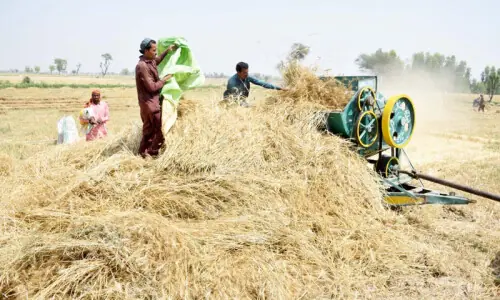
China this year plans to restructure agricultural production in line with market demand, undertake tax reform, invest more in rural infrastructure and imporve urbanization to accomodate its massive surplus of rural labor, Wang said.
The report also highlighted the need for greater foreign investment, but acknowledged that would require a serious commitment to the development of infrastrucre projects such as power generation, railroads and highways, said Li Zibin, deputy director of the Western Regions Development office.
While thirty-six infrastructure projects proposed over the last three years had or would receive investments of 130 billion yuan, the goverment has sunk 270 billion yuan into the region so far, 200 billion yuan invested in infrastructure.—AFP