0
0


KATHMANDU: Three parties quit Nepal's Maoist-led government on Monday as the Himalayan republic slipped deeper into crisis after the prime minister called elections following the failure to agree on a new constitution aimed at ending years of instability.
Prime Minister Baburam Bhattarai has called for Nov 22 elections to resolve the constitutional impasse, sparking a backlash from politicians and Nepalis who have seen the country lurch from one crisis to the next after a civil war ended in 2006.
With political rivals calling for the prime minister's resignation, the desertion of three parties from his coalition may force Bhattarai to step down, but it is not likely to derail fresh elections.
However, the political row could trigger months of street protests and violence in one of the world's poorest countries, wedged between India and China.
Security forces in Kathmandu remained on “high alert” after clashes between protesters and police injured more than a dozen people over the weekend. The streets were quiet in the capital on Monday, which was a public holiday.
But protesters took to the streets again in southern pockets of the country, angry at the ongoing deadlock.
“Political parties are not interested in a constitution. They simply want power and money for themselves and don't care about us,” said Bal Bahadur Lama, a 63-year-old labourer in the Nepali capital.
Bhattarai is Nepal's fifth prime minister since the end of the civil war, which killed more than 16,000 people and ended the rule of a centuries-old monarchy.
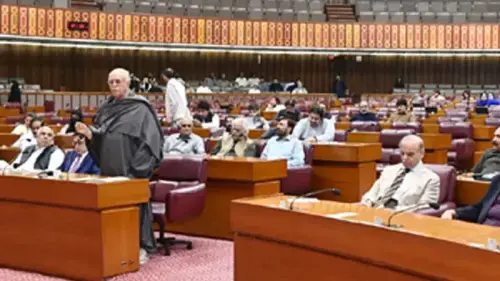
Efforts for a new constitution have been scotched by demands for the country to be divided into states along ethnic lines, which triggered violent protests in recent weeks and saw ethnic groups stage demonstrations outside the parliament building.
The call for new elections prompted three smaller allies of the Maoist-led government to quit on Monday morning.
“The prime minister brought the election proposal suddenly without consulting us,” said Ishwar Pokharel, from the Communist UML party, who resigned as deputy prime minister.
“The government has no constitutional or political legitimacy to hold new elections,” he told Reuters.
Critics accuse the Maoists, whose guerrilla army fought against the monarchy during the war, of using the elections as a cynical ploy to remain in power.
Prolonged instability in Nepal, with immense potential to generate hydro-electric power could have regional implications as energy-hungry China and India could compete to influence an unstable neighbour, dependent on aid and tourism.