0
0

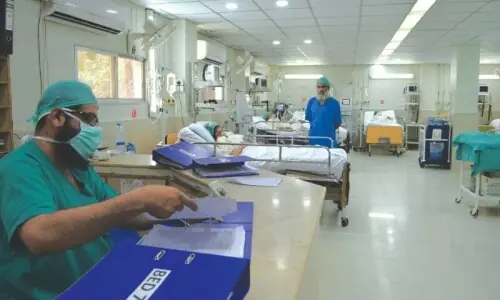
RAWALPINDI, May 27: A scorching heat wave gripped the Potohar region and more than 200 patients with diarrhoea, kidney and stomach-related problems had been brought to the three government-run hospitals of the garrison city for the last two days.
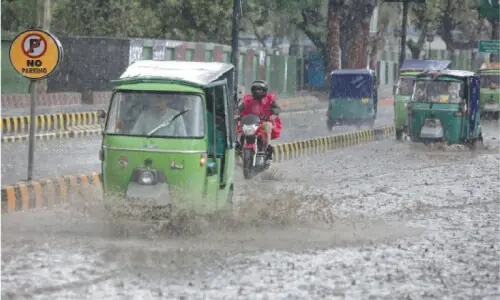
The city sizzled for the last 48 hours with maximum temperature touching 38 degree Celsius mark. The weather experts forecasted the dry spell to continue in most parts of the country including the twin cities in the coming days with no chance of rain next week too.
As many as about 100 to 110 patients with heat-related diseases like diarrhoea, cholera and food poisoning visited the allied hospitals – Benazir Bhutto hospital, Holy Family hospital and District Headquarters hospital.Many of the children admitted in the wards had fallen ill after drinking contaminated water and either taking unhygienic food or staying out in the sun.
Senior staffers at the hospitals told Dawn that 70 to 80 per cent of their patients were hit by the heat wave. “Sometimes we have to admit more patients than our capacity. Motions, dehydration, diarrhoea and vomiting are the main problems,” they said.
Dr Mohammad Haroon said the emergency department of the DHQ hospital had no capacity to entertain the patients so the doctors were forced to send some of the patients back after giving them medicines. “Only serious patients were being admitted in the hospital,” he said.
Dr Umer Saeed at Benazir Bhutto hospital said that more than half of the heat-affected patients were suffering from gastroenteritis. “Most of them are seriously dehydrated. Doctors are doing their best to cure them,” he said.
A senior doctor at Holy Family hospital said that 40 per cent of the minor patients visiting the hospital were suffering from diarrhoea and viral infection. “Children and aged people and those who ate unhygienic food from vendors could easily fall a victim to the stomach-related problems in the summer,” he said.
Doctors urged the masses to take precautionary measures against the harsh effects of the heat wave, which according to Met officials, would continue in the coming weeks. They advised the public to avoid direct exposure to the sunlight and cover the head and neck areas besides ensuring a maximum intake of water and other liquids such as salted lassi to prevent dehydration due to excessive sweating.
They also advised the farmers, labourers and other such people who work outside to start and complete their work as early as possible in the morning, before the sun gets harsh. They also stressed the need of washing hands especially before meals to avoid intake of bacteria.