0
0

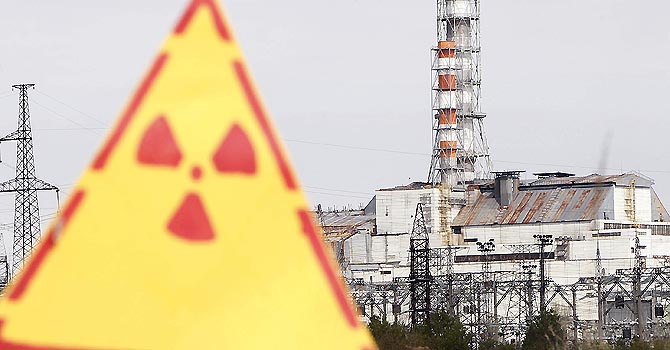
VIENNA: Some 1,000 delegates from 190 countries gathered here Monday for the first of three sessions of preparatory talks for a 2015 conference reviewing progress on halting the spread of nuclear weapons.
The purpose of the “PrepCom” meeting until May 11 is to evaluate the implementation of the nuclear non-proliferation treaty (NPT) and to make recommendations to the five-yearly review conference, the United Nations says.
The NPT entered into force in 1970 and was extended indefinitely in 1995.
It is aimed at preventing the spread of nuclear weapons, working towards global nuclear disarmament and fostering cooperation in peaceful atomic technologies.
Critics say however that the NPT has failed in its aims, with the main nuclear-armed countries, most notably Russia and the United States, making no substantial progress on reducing their arsenals since the end of the Cold War.
Moreover the number of nations with atomic weapon capabilities has grown to include, alongside the US, Russia, China, Britain and France -- India, Pakistan, North Korea and reportedly Israel.
None of them is currently an NPT signatory, although North Korea was before it pulled out of the treaty in 2003. Two years later, it exploded a small nuclear device, and tested a second one in May 2009.
Others have been accused of seeking or having sought nuclear weapons, most notably Iran but also Egypt, Nigeria and Syria, all NPT members, plus Taiwan which has vowed to abide by the treaty but cannot officially sign it.
South Africa, Argentina, Brazil, Kazakhstan, Belarus, Ukraine and Libya, all signatories of the NPT, have officially given up nuclear weapons after having either possessed them or worked on developing them.