0
0

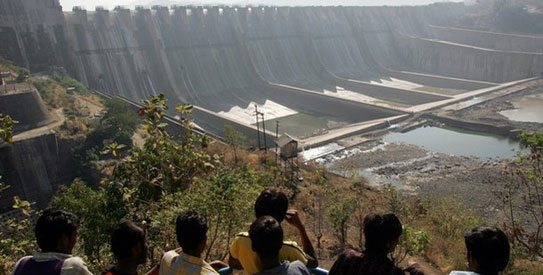
Given the present status, after the lapse of two years, the Ghabir Dam project, near Talagang in Punjab, scheduled for completion by early 2013, would be delayed.
Bids for its construction on engineering, procurement and construction (EPC) basis were received by Wapda on January 5, 2010. The scope of works included main dam embankment, spillway, inlet/outlet works, canal irrigation system, power station, allied equipment, structures and civil works.
The letter of acceptance issued to a consortium of the Chinese and Pakistani contractors on September 9, 2010, was cancelled as contractors failed to meet their obligations to begin work. Since then, there has been no progress on the award of contract.
Meanwhile, the project cost has escalated almost ten times—-from Rs1,130 million to Rs10,184 million, including an additional sum of Rs1,495 million estimated to cover currency fluctuation and interest during construction period.
The revised PC-1 has been submitted to the Planning Commission for approval, with projected completion by 2015-16. The multipurpose Ghabir Dam is designed for water storage capacity of 66,203 acre-foot to serve a command area of 30,000 acres with high efficiency irrigation system, and hydropower generation capacity of 50 kW.
The dam is one of the 12 small projects launched in the four provinces, being termed as of critical importance to increase water availability in the relevant areas for sio-economic development. These include Ghabir and Papin in Punjab, Darawat, Nai Gaj and Sita/Khadeji in Sindh, Bara and Darban Zam in the KP/Fata and Winder, Hingol, Naulong, Pelar and Garuk in Balochistan. The Ecnec approved the projects on September 3, 2009 and tenders for Ghabir, Darawat, Winder, Naulong, Nai Gaj and Bara Dams were issued during 2009-10.
Construction of not a single dam project has commenced so far. The total capital cost of these 12 dams initially was one billion dollars and the Chinese government had agreed to finance their construction, having extended a credit of $700 million through Exim Bank of China. The balance amount of equivalent $300 million in local currency was to be provided by the federal government under the PSDP. The government allocated Rs6,250 million for development of six dams under PSDP 2011-12.The cost of these projects, yet to be constructed, has escalated to alarming proportions.
Current status of the remaining projects is not any better and the planned targets can not be achieved. President Zardari performed the groundbreaking of Winder Dam in Balochistan and Darawat Dam in Sindh in January 2010, and both were scheduled for completion by June 2013. Contract of Darawat Dam in District Jamshoro was awarded on June 9, 2010. However, progress is very slow. Construction of the dam will commence on finalisation of its design, now under process. Surveys of dam axis, spillway and command area, and soil investigation of site have been carried out, whereas survey of reservoir area is in progress. Concrete-faced rock-fill Darawat Dam will have a storage capacity of 121,790 acre-foot to be used to irrigate 50,000 acres of cropped area and have a potential to generate 450 kW electricity. Project cost as per approved PC-1 was Rs3,175 million that was later revised to Rs8,732 million. The cost has escalated to Rs18,085 million as per revised PC-1 cleared by CDWP on June 29, 2010 for submission to the Ecnec.
Likewise, tender for construction of Winder Dam, opened on September 28, 2009 was awarded to a joint venture of Canadian and Pakistani consultants and contractors. Due to failure of the contractor to provide performance guarantee, the contract was cancelled. There is no progress and Wapda is considering undertaking detailed engineering design of the project at its own.
Meanwhile, project cost has gone up, from Rs1,696 million as per approved PC-1 to Rs12,412 million as per revised PC-1. Project is now scheduled for completion during 2015-16. Earth-core rock-fill dam will create gross storage of 36,484 acre-foot to irrigate 10,000 acres of command area and its power house will generate 300 kW electricity.
Tenders for building of Naulong Dam in District Jhal Magsi, Balochistan were received on April 17, 2010 and LOI could only be issued to contractor after one year, on April 12, 2011. There is no physical progress as yet. Original cost estimate of September 2009 at Rs11,700 million was revised to Rs26,250 million that again increased to Rs31,961 million as per revised PC-1. The project will have water storage capacity of 242,000 acre-foot to serve a command area of 47,000 acres with high efficiency irrigation system, and hydropower generation capacity of 4.4 MW. Naulong Dam is projected for completion by September 2014.
Nai Gaj Dam in District Dadu with a designed torage capacity of 300,000 acre-foot will irrigate command area of 28,800 acres. Project has potential of generating 4.2 MW hydropower. Contract was awarded in April 2011 but no physical progress has been achieved so far and the dam is re-scheduled for completion by September 2014. Capital cost has gone up first from Rs14,433 million to Rs16,925 million, to latest Rs63,053 million. Tenders for Bara Dam in Khyber Agency were invited on October 9,2009 and since then due dates for receiving bids have been extended a number of times.
There is no response from prospective contractors due to poor law and order situation in the Fata. Modality of tendering has been revised to BOQ basis instead of EPC, and Wapda consultants have undertaken detailed engineering design of the project. Dam is rescheduled for completion by June 2015. Project cost as per approved PC-1 was Rs14,208 million is being revised. It will have water storage capacity of 85,363 acre-foot to serve a command area of 83,458 acres with high efficiency irrigation system, and hydropower generation capacity of 5.8 MW. Progress on the remaining six projects is unsatisfactory too as contracts for them have not yet been awarded.
Given the present conditions, best option for developing water storage in remote areas with suitable topography and rainfall is through construction of small dams and reservoirs. The projects are essential for food security, enhanced livestock production, poverty reduction and improving environments. Mismanagement has resulted in long delays in construction and cost over-runs and the government has failed to effectively monitor progress and ensure timely completion of these vital projects.