0
0

LAHORE: A report carried out by Centre of Disease Control (CDC), Georgia, Atlanta, US, confirmed the presence of dengue serotype-2 in the recent epidemic which particularly hit the Punjab capital claiming lives of over 300 people, besides adversely impacting the health of the province's at least five per cent population.
The CDC, Georgia, is recognised globally for conducting research and investigations and for its action-oriented approach.
The patients, including women, adults and elderly people who had been hit by dengue fever with low platelet counts in its September and October 2011 epidemic were included in the study.
A total of 166 serum specimens of the suspected dengue patients were dispatched to the CDC Georgia, Atlanta.
Three King Edward Medical University (KEMU) departments --pathology, medicine and pediatrics -- worked on this project on the initiative taken by the varsity's Research Centre head Prof Shehryar and Prof Muhammad Munir, in collaboration with the Field Epidemiology and Training Programme (FELTP), based at the National Institute of Health, Islamabad.
The senior medics withdrew the blood samples of the suspected patients after clotting the sera. They kept the specimens at minus -20 degrees Centigrade and dispatched them in 50-kg dry ice through a courier service that had made pre-arrangements for the dispatch. They were flown to Puerto Rico dengue fever centre of the CDC, where the blood samples were analysed by PCR for the presence or absence of dengue virus and its cerotype.
The KEMU pathology department received a couple of days back the results of PCR analyses (to determine the virus type) of the suspected dengue patients.
The report findings showed that 96 patients (57.8 per cent) have been confirmed to be suffering from serotype-2 of the dengue fever.
It was the first authentic study done so far by the US's premier health promotion, prevention and preparedness agency and a global leader in public health, for the identification of dengue virus type that was active in Punjab.
“There was only one type of dengue virus- serotype-2 - which was responsible for the epidemic”, the report said.
The presence of dengue serotype-2 (DEN-2) showed an alarming situation, according to the medical and health experts. They said of the four types of the dengue, only serotype-2 had the potential to cause hemorrhagic fever.
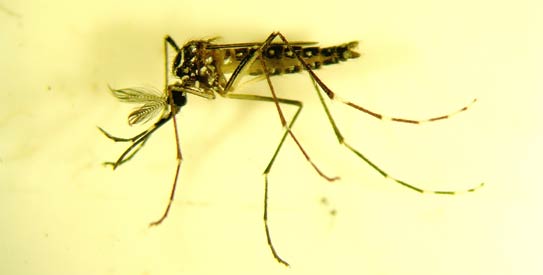
Quoting some of the findings, they said the mosquito, Aedes aegypti, tended to be more venerable to infection by DEN-2 viruses of the South Asian genotype than to those of the American genotype, and this might have epidemiologic implications.
On the other hand, they said, the identification of the dengue virus type would help entomologists, researchers and the public health authorities in the Punjab plan better strategies for dengue prevention.
The report also negated all the previous perceptions and locally-carried out analyses and studies which had been reporting presence of different types of the dengue virus in Punjab's worst-ever epidemic.
Some of the local analysts had claimed dengue virus-1 was circulating in Punjab while many others reported dengue virus-2 and 3 in their reports based on local studies. These low-profile reports had confused the medical researchers and public health experts, hindering formulation of an appropriate strategy to fight dengue, experts say.
KEMU Vice-Chancellor Prof Dr Asad Aslam confirmed the development saying the patients included in the study belonged to different districts of the province.
The report was being analysed further by the departments' senior doctors who initiated the work, he said.