0
0

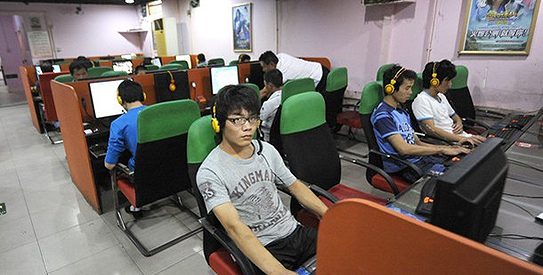
BEIJING: China has ordered stricter control of social networking sites and a crackdown on “vulgar” material on the web, as Beijing attempts to tighten its grip on the fast-growing Internet sector.
China's Communist leaders made the call in a list of “cultural development guidelines” released this week, which analysts say are designed to strengthen the government's control of the web and make state-run media more competitive.
The growing popularity of privately owned social networking sites in a country with more than 500 million people online has alarmed Beijing, as more and more web users take to the Internet to vent their anger.
China said this week that police had begun to detain and punish people for spreading rumours online, as authorities intensify efforts to censor content on the Internet.
Communist Party chiefs agreed on the directives at a secretive annual meeting in Beijing earlier this month. The state Xinhua news agency said they were aimed at preserving “cultural security” and expanding Chinese soft power.
“We should strengthen the guidance and management of tools such as social networking and instant messaging applications,” said the Communist Party Central Committee document, which was published by state media outlets.
“We should punish according to the law the practice of spreading harmful information and push forward the campaign to crack down on Internet pornography and vulgar information.”
The lengthy directive also called for better supervision of China's vast media industry to “improve positive publicity” and guide public opinion on “hot and hard social issues”.
David Bandurski, a researcher at the University of Hong Kong's China Media Project, said the directive “reinforces the message of control -- make money but we are watching.”
“There is no sign of any real relaxing of restrictions,” he added.
For the past decade Beijing has been encouraging state-run media to be more competitive and less reliant on state subsidies, which has led to more critical reporting and racier programming as outlets compete for readers and viewers.
But the trend towards more free-wheeling reporting has undermined official efforts to control public opinion and unnerved authorities who have seen previously obedient media outlets criticise their decisions.