0
0

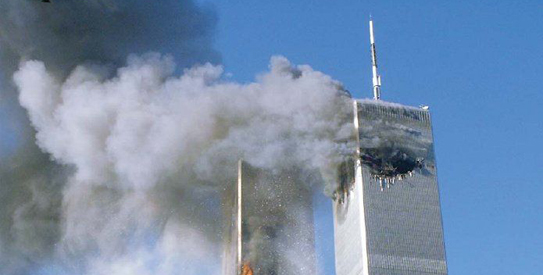
PARIS: A mix of sprinkling system water and melted aluminium from aircraft hulls likely triggered the explosions that felled New York’s Twin Towers on September 11, 2001, a materials expert told a technology conference Wednesday.
“If my theory is correct, tonnes of aluminium ran down through the towers, where the smelt came into contact with a few hundred litres of water,”explained Christian Simensen, a scientist at SINTEF, an independent technology research institute based in Norway.
“From other disasters and experiments carried out by the aluminium industry, we know that reactions of this sort lead to violent explosions.” Given the quantities of the molten metal involved, these blasts would have been powerful enough to blow out an entire section of each building, he said in a statement.
This, in turn, would lead to the top section of each tower to fall down on the sections below.
“The sheer weight of the top floors would be enough to crush the lower part of the building,” he said.
The aluminium-water scenario would account for explosions from within the buildings just prior to their collapse that have fuelled conspiracy theories suggesting that the structures had been booby-trapped.
The official report on the causes of the collapse blames over-heating and failure of structural steel beams in the centre of the buildings.
Simensen presented his theory at an international materials technology conference in San Diego, California, and has detailed his calculations in an article published in the trade journal Aluminium International Today.
“The aluminium industry had reported more than 250 aluminium-water explosions since 1980,” he said.
In a controlled experiment carried out by Alcoa Aluminium, 20 kilos (44 pounds) of molten aluminium was allowed to react with 20 litres of water, along with a small quantity of rust.
“The explosion destroyed the entire laboratory and left a crater 30 metres (100 feet) in diameter,” Simensen said.
By comparison, the aircraft carried 30 tonnes of aluminium into each of the towers, according to his calculations.