0
0

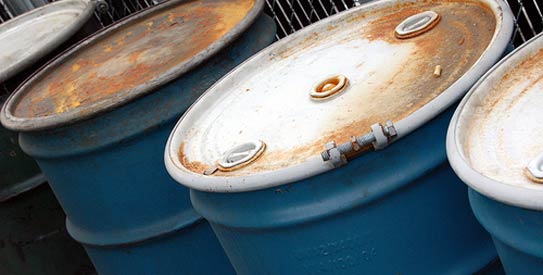
KARACHI, Sept 21: A cartel of oil reclamation plants owners offered bid much below the reserved price at the auction conducted by Customs for confiscated residue oil, official sources said.
The Customs confiscated around 685 tons of residue petroleum and offered it for sale through auction to the registered reclamation plant owners.
Sources said that the registered plant owners formed a cartel before entering into auction process. As a result the bid price offered by them stood much below the reserved price.
Consequently, customs authorities went for open auction of the residue petroleum and got much higher bid price at Rs58,300 per ton against the offer of Rs27,000 per ton given by registered plant owners.
The Customs are presently seeking the Federal Board of Revenue (FBR) permission to dispose of the residue petroleum through open auction because this will bring around Rs21 million extra to the national exchequer.
The government would have collected Rs18 million only if the customs authorities have disposed of 685 million tons of seized residue petroleum at Rs27,000 per ton. Whereas the open auction bid price of Rs58,300 per ton would have netted Rs39 million to the kitty.
Under the directives of the FBR the Customs are bound to sell confiscated petroleum products to the registered reclamation plants.
However, the Model Customs Collectorate Port Qasim, which conducted the auction of seized residue petroleum, has asked the FBR to allow open auction for sale of confiscated petroleum products.
The collectorate quoted Pakistan Petroleum (refining, blending and marketing) Rules, 1971, which do allow open auction of such seized petroleum products.
The collectorate also asked the FBR to seek ministry of petroleum guidance whether the subject goods may be sold in open auction to safeguard the government revenue.
The collectorate suggested that in case of an open auction a binding should be put upon a successful bidder that residue oil purchased from customs in auction would be supplied only to the registered reclamation plants.