



 0
0

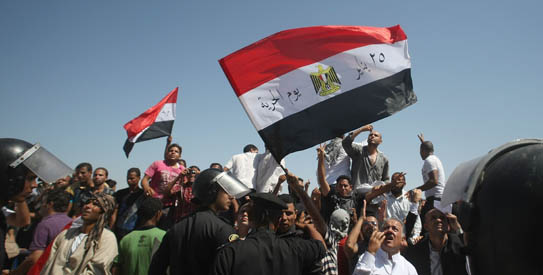
It was a monumental day in Egypt on Wednesday. Former President Hosni Mubarak was rolled into the courtroom on his hospital bed, spoke a few defiant words in pleading not guilty and the trial was adjourned until August 15. For many it was the culmination of efforts that began on January 25, when Egyptians began to take to the streets in what would become the 18 days of protests that ousted their authoritarian ruler of 31 years on February 11.
“I still can’t believe it,” one Egyptian café worker told me as the first images of Mubarak were streamed across the television screen. For many Egyptians, the moment was almost justice in itself. Now, they wait to see if the trial will be fair. Only a guilty verdict is likely to convince many activists that the judiciary is unbiased.
We learned a lot about Egypt and its potential future on Wednesday. The ruling military junta met one of its promises to the country by putting the ailing former president, his two sons Alaa and Gamal as well as former Interior Minister Habib al-Adly and others on trial. It was the first step, many say, in creating that new Egypt that has seemingly eluded the country for the past few weeks, as protest fatigue and anger over a sit-in in Cairo’s Tahrir Square took hold of the country.
But liberal activists are not sitting quietly. On Wednesday, following the adjournment of the trial, they gathered at a Cairo courthouse to demonstrate for those who were attacked and violently removed from the central square on Monday by the military.
Instead of sticking on point: demanding the release of those arrested in Monday’s raid, the protesters again turned their attention toward the Supreme Council of the Armed Forces (SCAF), chanting anti-SCAF statements, using the same tactics that they employed during the sit-in in Tahrir.
It seems they are attempting to push the limits of their dwindling popularity. The military couldn’t be more popular. Monday’s removal of the Tahrir sit-in was a calculated political move. Average citizens had been growing weary of the lack of mobility in the central square, so when the military showed up on early Monday afternoon they were met with cheers. Most Egyptians support the military’s actions.
When one of my staff told an Egyptian housewife on Monday that the military was beating protesters, she refused to believe it, saying “the military would never do something like that.” She was serious. This is the battle that the left is going up against, yet instead of changing tactics and going a different route, they are continuing the same methods that lost the people’s support.
As the Mubarak trial appears to be actually happening, resuming on August 15, the liberal activists in Egypt will hopefully understand the error of staying Tahrir and take their message to the places that gained Mubarak and his horrific National Democratic Party (NDP) support: to the people; the rural areas. During the three decades of Mubarak rule, he was able to maintain widespread support because he spoke to the people, giving them a person to know and understand.
Most observers and activists in this country understand it was a joke, but it was a joke that worked. The people in Egypt, especially in the rural areas outside Cairo and Alexandria, are not going to take being “spoken to” in good spirit. For the past month, average Egyptians have repeatedly told me how the activists in Tahrir are “arrogant, too rich and don’t have a clue about the rest of us in this country.”
They might be right. Anti-SCAF calls are exactly the opposite of what they should be doing now, if they want to regain the support of the millions who took to the streets with them during the 18 days that took down their government. It is time for change.
But that change, a leading economist and supporter of a liberal, secular Egypt told me recently, would most likely mean the activists who have gained fame during the revolution through their appearances on international media outlets, “would lose that and this is why I think it is so hard for them to develop a tactic that would possibly mean they are not as important.”
While I disagree with the fact that those who were most outspoken in the past 6 months would lose visibility, he is right that in order to build a new Egypt, the liberals must understand how popular the military is, especially as they put Mubarak and his cronies on trial. Attacking the military does one thing, it aggravates a population that believes in that institution.
It is time for the activists to take a big step back, understand the successes and formulate a new plan, especially as it was their actions that has led Egypt to this moment. Tell the people how it was them that changed the country. Speaking with the people, not to the people, will have a direct impact. With elections three months away, the liberal and secular activists should learn quickly that fighting the military will mean that when the votes are counted, the new government will not be the one they hoped for when they took to the streets on January 25.
The writer is an American journalist based in Cairo and is the Editor-in-chief of bikyamasr.com


























