0
0

KANO (Nigeria), April 18: Violent protests erupted across Nigeria’s largely Muslim north on Monday as youths angered at President Goodluck Jonathan’s election victory torched churches and homes and set up burning barricades. The vote count showed Jonathan, from the southern oil-producing Niger Delta, had beaten Muhammadu Buhari, a former military ruler from the north, in the first round.
Observers have called the poll the fairest in decades in Africa’s most populous nation but Buhari’s supporters accuse the ruling party of rigging. Results show how politically polarised the country is, with Buhari sweeping states in the Muslim north and Jonathan winning the largely Christian south.
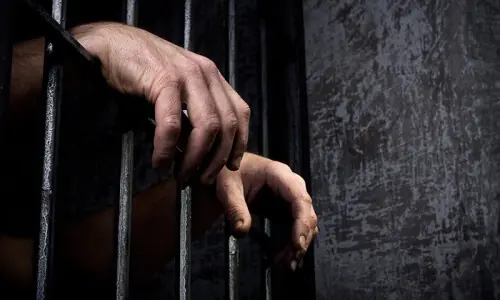
Authorities in the northern state of Kaduna imposed a 24-hour curfew after protesters set fire to the residence of Vice President Namadi Sambo in the town of Zaria and forced their way into the central prison, releasing inmates.
The body of a small boy shot in the chest by a stray bullet was brought to a police station, a witness said.
“They have destroyed our cars and our houses. I had to run for my life and I am now in my neighbour’s house,” said Dora Ogbebor, a resident of Zaria whose origins are in the south.
Plumes of smoke rose into the air in parts of the state capital as protesters set fire to barricades of tyres. Security forces fired in the air and used teargas to disperse groups of youths shouting “We want Buhari, we want Buhari”.
A spokesman for Buhari said he had not yet made any statement on the disturbances.
Soldiers used whips to disperse people in the streets of Kano, the most populous city in the north. Protesters hurled stones in the backstreets. Several churches were burned and authorities imposed a curfew.
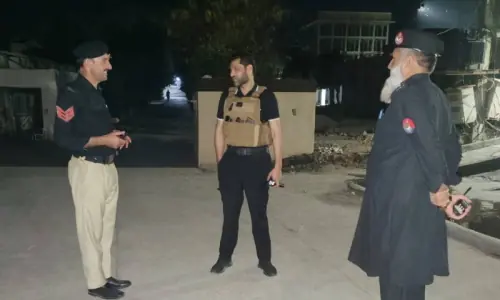
An armoured personnel carrier, armed police and soldiers formed a barricade around the electoral commission office.
“We will have the situation under control soon,” said Agbo Omaji, a police inspector securing the electoral office.
Soldiers fired in the air and helicopters flew overhead in the central city of Jos, where thousands have been killed in sectarian violence over the past decade.
Nigeria has a history of rigged and violent elections but Saturday’s vote was deemed by many Nigerians, and foreign observers, to have been a vast improvement on the past, with the voting process orderly and little unrest on the day itself.
“Election day showed a generally peaceful and orderly process,” said chief European Union election observer Alojz Peterle.
EU observers said 2007 elections were not credible.
Peterle called for restraint in northern Nigeria and said all Nigerians should respect the election process.—Reuters