0
0

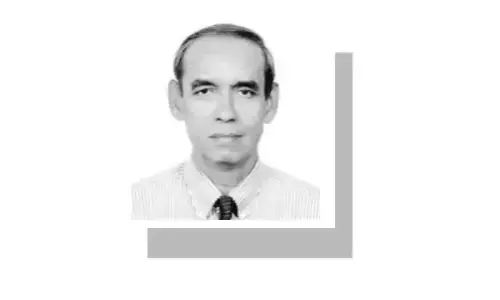
LAHORE, Aug 27 Justice Hasnat Ahmed Khan of the Lahore High Court has filed a civil review petition in the Supreme Court under Article 188 of the Constitution for review of the judgment, dated July 31, as far as it directed proceedings under Article 209 against the PCO judges.
He has submitted that he is permanent judge of the LHC. The SC judgment sought initiation of proceedings under Article 209 of the Constitution against the judges of the superior courts working prior to November 3, 2007, who had taken oath disobeying the order passed by a full bench headed by the chief justice against the promulgation of emergency.
The judge has contended that July 31 judgment of the Supreme Court had been given without taking note of certain undisputed facts relating to him. The judgment under review had presumed service of the order against the promulgation of emergency on all the judges as it was stated to have been served upon them and sent to the registrars of all the high courts. The fourteen member bench including three judges forming an integral part of the Supreme Judicial Council had, therefore, concluded that the order had been served on all the judges of the superior courts, including the petitioner, but the conclusion was not supported by facts.
The judge has submitted that the order of the seven-member apex court full bench was passed during the later part of evening on November 3, 2007 which was a Saturday and the offices of the high courts normally did not work on Saturday evenings. The stated receipt of fax at the registrar's offices could not be considered as service on the judges by any stretch of imagination. He has submitted that he received a phone call on behalf of the then LHC chief justice to reach the high court when he returned from a marriage ceremony on the evening of November 3, 2007. He was later asked to reach the Governor's House where he was administered oath.
He contended that he was not aware of the SC order before taking the oath. He would certainly have obeyed the orders of the seven-member bench of the SC in case he was aware of the same, he submitted.
The judge has also contended that issuance of direction for action against judges in the July 31 judgment was a violation of Article 209 of the Constitution because the authority was vested in the Supreme Judicial Council and not in anyone else to issue directions to it. Only information could be laid before the SJC or the President, as the case might be, so that they could form an opinion about a judge being guilty of misconduct. The SJC then inquire into the matter and make recommendations.
The judge has contended that he had been condemned unheard through the July 31 judgment. An order affecting his service, reputation and integrity had been passed without giving him an opportunity to show cause, he submitted. It was also a serious constitutional anomaly that three judges forming majority of the SJC were signatories and authors of the July 31 judgment.
He said that he reserved the right to raise further grounds and make further submissions on receipt of detailed judgment because he had only the short order passed by the SC on July 31.