0
0

KARACHI, Oct 19 As a terror threat looms over the country considering last month`s bomb attacks in Punjab and Islamabad, the police authorities have found serious flaws in security arrangements made by the administrations of sensitive public buildings, which add to the challenges the already ill-equipped force is facing in designing safety plans in the high-security zone of the city.
A series of correspondence between the police authorities and the administrations of these buildings, including the Sindh Secretariat, Sindh Assembly and Sindh High Court buildings that Dawn has gained access to, has revealed that there was mismanagement on part of the personnel concerned for security arrangements.
The situation turned more serious when the letters to the administrations of the buildings cited even non-operational security equipment and out-of-order items needed for the purpose.
“In the high-security zone, the police have marked three buildings as the most sensitive ones and need extra efforts mainly from the administrations concerned to make sure that every loophole is plugged while designing a security plan,” said a senior official, referring to recent interaction with the administrations of the three buildings.
“But, unfortunately, we have got no positive response from any of the administrations. Since the police cannot make the staff and visitors of these buildings follow certain rules, we mainly rely on the measures of the administrations to make our security plan effective.”
For instance, he said, there was no specific rule for parking inside the high court building, which had been raised several times with the officials concerned.
He pointed out that almost the same situation existed at the Sindh Secretariat, where discipline for parking was not followed even by the staff.
Apart from the background interviews with the officials concerned, the recent letters to the administrations of the three particular buildings also raise the fact that critical equipment vital in averting security threats being used by the security staff of these buildings was not functional.
“Walk-through gates at certain points are installed but not operational,” said the official citing recent correspondence with the administrations of the three buildings. “Similarly, the vehicle inspection mirror system was not as effective as it should be. There are several other objects, which are supposed to strengthen the security arrangements but are not meeting the desired level.”
The city police were put on alert last week after a hurriedly called high-level meeting at the Central Police Office (CPO) reviewed security arrangements mainly in the high-security area late in the night. The meeting decided to increase deployment in the area, housing important public buildings, offices and residences of diplomats, provincial headquarters of the provincial police, financial institutions and hotels.
Law-breaking lawmakers
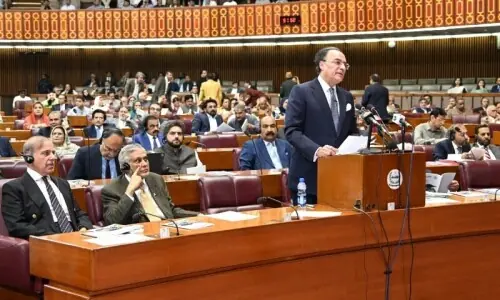
The police authorities believe that so far, they have tried to take every possible security measure but have not yet received a positive response from the quarters concerned despite repeated requests. In some cases, they said, it was legislators and members of the elected assembly who tended to disregard the security requirements in place on their home turf, the historic Sindh Assembly building off Court Road.
“A few ministers have chosen to defy the arrangements made by the police and the administration of the building, which has been a serious problem for the law enforcers,” said the official, citing the fact put on record in a letter to the secretary of the Sindh Assembly.
“While the MPAs attend the session inside the assembly hall, their armed security guards lounge about in the lawn or sit in the vehicles parked on the premises of the building, though they have not been issued security passes.”