0
0

COLOMBO, Dec 1: The ethnic conflict which has plagued Sri Lanka for the past 25 years would not end even if LTTE supremo Vellupillai Prabhakaran dies in the near future, according to a former official who has 50 years’ experience of working in senior administrative positions.
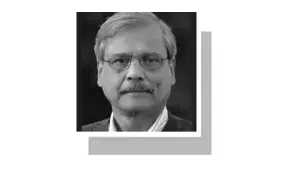
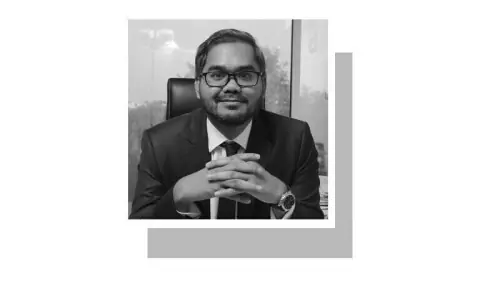
Mr Weerakoon, who has a distinction of serving as adviser to seven prime ministers and three presidents, was a key figure in negotiations between the government and the Tamil Tigers when former president Chandrika Kumaratunga’s United National Party (UNP) was in power, said in an interview with Dawn on Sunday that since the ethnic Tamils harbour grievances against the government, a military defeat of the Tamil Tigers would not bring the conflict to an end.
“They (Tigers) are likely to melt into the civilian populace if the military operation dismantles their war machine. And they have the potential to rise again,” Mr Weerakoon warned.
He said the ethnic conflict would be over only after the “root causes” were identified and addressed.
“The struggle for equal rights for Tamils began more than 50 years ago. The Federal Party and the Tamil United Liberation Front (TULF) started it and have kept it up. Therefore, until such time that these rights are given to the Tamils, there will no end to the unrest, whether Prabhakaran is living or dead,” Mr Weerakoon said.
“Prabhakaran is not the architect of Tamil nationalism,” he pointed out.
“Even moderate Tamil leaders, like Douglas Devananda and V. Anandasangaree, are Tamil nationalists who will demand devolution of power to Tamil areas, albeit peacefully,” he cautioned.
Devananda, a former guerilla, is now a minister. Karuna, a former LTTE commander, is today a nominated member of parliament, and Anandasanagaree is a leading moderate voice.
All of them support the government and oppose the LTTE’s demand for a separate Tamil homeland.
“But their basic demand is for autonomy or devolution of power to the Tamils,” Mr Weerakoon asserted.
DEVOLUTION OF POWER: Justifying the Lankan government’s efforts for resumption of the peace process, frozen since 2002, the veteran bureaucrat said the LTTE had hinted six years ago that it would consider a proposal for a federal structure within a united Sri Lanka.
He recalled that the “interim self-governing authority”, as the federal plan is known in official parlance, was the LTTE’s “minimal” demand “short of complete separation”.
On the other hand, Mr Weerakoon said, it was the then ruling party’s “optimal” proposal.
Asked to comment on President Mahinda Rajapakse’s demand that Prabhakaran and his organisation lay down arms first before coming for talks, Mr Weerakoon said it was not workable because the LTTE would not come to the negotiating table with “heads bent”.
“Remember, in all past negotiations, there was at least a symbolic equality,” he recalled.