0
0

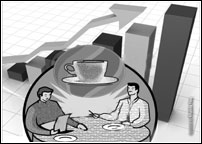 The principle of taxation is ‘ability-to-pay’ but in our country it is to ‘tax the poorest’, taxing those who do have an ability to pay, as they are unable to resist. If a worker, after a hard day’s toil goes to a restaurant to have a cup of tea, the tea leaf has been taxed, the sugar has been taxed, the gas is taxed, if potable water was not available and the water has been purchased, it is also taxed.
Salt which is the cheapest item, if it is branded, it is also taxed. In any civilized society medicine is not taxed. In our country although a large population is suffering from sugar, table-top sweetener ‘Canderel’ is taxed; Glaxose-D is taxed. With the post-budget rise in the price of oil and gas, prices of other items are likely to rise. If a countrywide survey is conducted, it will reveal an unbearable tax burden on the common man.
In contrast, the rich have been allowed to convert their black money into white by paying only two per cent. This is not an an economically sound policy. It encourages the rich not to pay taxes as after a while their black money will be allowed to be whitened at two per cent or so. Black money creates parallel economy, causes inflation and creates many other economic problems.
Transactions of property worth billions of rupees occur daily yet it is either heavily undervalued for taxation or not taxed at all. Its price keeps rising and billions of rupees are stuck in its unproductive purchase and repurchase.
It encourages savings to be invested in property rather than in industry. In many cities, due to higher rate of return, industries are being closed and converted into housing units. This is increasing unemployment and poverty. In case of exports, once a market is lost, it is very difficult, if not impossible, to recapture it.
Businessmen have purchased agricultural land and have no interest in its development. To avoid paying tax from industry or trade, they show either little profit or loss from it and claim huge profit from agriculture to deliberately avoid tax. The margin of profit in agriculture is much less than in manufacturing or services’ industry. Proper audit of income from any source is essential to recover tax from one and all.
With such a state of the economy, the government has done little for human welfare. Its repressive fiscal policy is creating a crisis situation with inequalities in income, unemployment and trade deficit rising.
The least the government can do now is to abolish taxes on food and medical items while on a longer term basis, a nationwide, organized struggle is needed to create a democratic society that may introduce wide-ranging reforms for human welfare.
Disclaimer -- This email is confidential and is meant for the intended addressee. If you have received this email in error please notify the sender immediately and delete the email. Emails are not secure and may suffer from errors, viruses, delay, interception and amendment. The Dawn Media Group Companies, its subsidiaries and associated companies accept no liability on this account. Mails may be stored for monitoring and review.