ISLAMABAD, Sept 4: The National Assembly sub-committee on petroleum and natural resources in a detailed investigation report has levelled serious allegations of financial and administrative irregularities in the affairs of Pakistan State Oil (PSO) during the last six years (January 2000 to July 2006) and has called for strict legal action against the ministry concerned and the PSO management.
The report finalised by the sub-committee of the National Assembly standing committee on petroleum and natural resources has also opposed the privatisation of PSO from the perspective of national security and public interest and claimed that the
NA standing committee on Defence had also opposed the privatisation.
The committee attributed better financial results of PSO to over 520 per cent rise in company’s margin increased by the government and inventory gains.
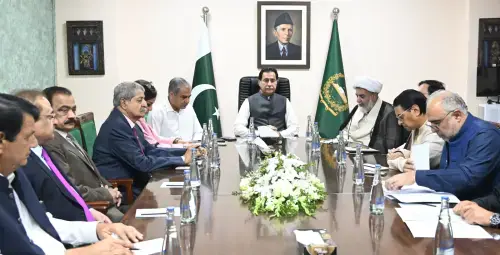
The sub-committee led by MNA Pir Fazal Shah Jilani also accused the PSO management and senior officials of manipulating accounts, dumping of petroleum products for personal gains, corruption in petroleum exports and award of contracts, misappropriation in oil imports, illegal appointments and promotions and abnormally high administrative costs.
At the same time, the committee accused the ministry of petroleum and natural resources of its involvement in the allegations made in the report, at times obstructing investigations and absolving itself of any responsibility despite being an owner of the company and director on its board of directors. As a result, the committee was of the “firm opinion that the special audit of PSO is carried through Auditor General of Pakistan within specific time frame to undertake performance evaluation of PSO strictly in accordance with the TORs of the said committee.
The committee took serious notice of stance taken by Additional Secretary Petroleum Shaukat Hayat Durrani and Managing Director PSO Jalis Siddiqui that the PSO was an autonomous body and the federal government had no control over its affairs.
The committee took serious view of the mis-statement of the ministry as the additional secretary being the director on the board of PSO was hand in glove to cover the irregularities instead of protecting the national interest”.
Pir Fazal Shah Gilani, who is also convener of the standing committee on petroleum and natural resources, in his report said,” The inquiry pending in the ministry of petroleum and natural resources and National Accountability Bureau (NAB) regarding the affairs of PSO need prompt processing in overall national interest”.
The committee in examining the PSO performance of the last six years said its sales declined by 19 per cent or 2,334 million tons in 2006 when compared with 2000. The committee said PSO’s 200 per cent rise in revenue over the same period was because of inventory gains and increase in sale margin while its marketing and administrative expenses and manpower costs increased by 200 per cent and 140pc, respectively.
The committee said the PSO management led by Tariq Kirmani illegally charged premiums on oil imports during the period to the extent of $525 million and said the appointment, promotion and over 500pc increase in the salary of Mr Kirmani was illegal and against the rules.
The committee also held PSO under the management of Tariq Kirmani and to some extent his predecessors responsible for irregularly employing over 1,000 officers on contract and regular service in management group (equivalent of BPS 17-22), most of them kith and kins.
The committee said the PSO had been involved in fake export of petroleum exports to Afghanistan and putting under the carpet inquiries about dumping of petroleum products. It said an inquiry report conducted by director general customs intelligence about fake exports was dumped and no action was taken against the culprits.
The committees concluded that the privatisation process, which is hurriedly being processed to benefit the vested interests before commencement of the next general election, is aimed to avoid the process of accountability in the subsequent stages.
It is pointed out that the PSO has the monopoly of the 82 per cent of oil storage and market share of 70 per cent in the oil industry. The proposed privatisation will expose the masses to economic exploitation.