0
0

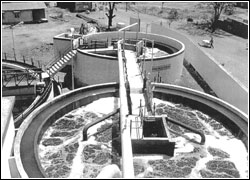 The trade policy for fiscal year 2008 listed incentives for the setting up of effluent treatment plants (ETPs) by export-oriented units to meet the requirements of foreign buyers.
The export industries can establish in-house ETPs, by importing them at five per cent duty even if such plants are produced locally; the required raw material is importable duty-free; and the first six per cent mark-up cost of loans obtained for such plants is picked up from the Export Development Fund (EDF).
The combined ETPs are being set up in export-oriented industrial estates in collaboration with provincial governments and the private sector. Such a plant was inaugurated recently at Korangi in Karachi by the President Musharraf.
The manufacturing processes involve the use of raw materials, components and varying quantities of water, electricity, gas, chemicals, oils, metals, consumables, packages, etc. Finished goods so produced are sold to generate cash while the by-products, process waste and effluents- a must in most industrial processes-- pollute the environment if not treated and disposed off properly. The waste and the effluents are supposed to be collected in respective effluent ponds for treatment before disposal.
In disregard of the environment laws and WTO arrangements to which Pakistan is a signatory, many industries have been releasing the untreated toxic effluents into the channels meant for saline water/rainwater or on the barren lands surrounding the industries or directly into rivers or sea. Few treat effluents properly before disposal The discharge of untreated industrial effluents and municipal wastewater has caused irreparable damage to plant /animal life, ground water and health of a large number of people.
Industrial effluent has reportedly rendered lands barren and at places, underground sweet water has become brackish or badly polluted. The situation calls for early remedial steps. Concurrently, with the installation of ETPs by industries, city governments should develop or add more capacity for treating municipal wastewater before disposal.
Foreign importers have advised the local industry to take urgent measures for setting up ETPs in industrial areas otherwise this may affect their purchase orders. The export-oriented industries are likely to suffer in case the country fails to set up the ETPs. The setting up of the ETPs is also essential for safeguarding our underground water, land and health of the people living in the surrounding areas. Installation of the ETPs is more of a public health and natural resource conservation project. Every industrial unit needs to be served by effluent treatment plants.
A treatment plant for chemical waste emanating from tanneries in the Korangi Industrial Area sector 7-A, has since become operational. The plant cost has been shared by the government and the Pakistan Tanners Association (PTA). The experience might be useful for establishing more combined ETPs at different locations. It needs to be ensured that tanneries in the area avail this plant for disposal of their effluents.
The federal and provincial environment authorities have started certain selective remedial initiatives to control the disposal of un-treated effluents. The actual progress in the establishment of in-house or combined ETPs lacks the international standards. A lot needs to be done and that too quickly.
Proper treatment of industrial effluent would add to the cost of manufacture. The federal government, provincial governments, industrial associations and city governments have to play the pivotal role in institutionalising the financing, installation and operation of ETPs on fast-track basis. Main areas for consideration by different stakeholders are submitted below:
While large and medium-sized industries such as, power generation, sugar mills, sea water desalination, cement, fertiliser, polyester, soda ash plants, etc can afford to have their own in-house ETPs; combined ETPs may be set up for the cluster of medium and small industries located within regular industrial estates. Industries to be set up in future should have their in-house ETPs, if the site is not connected to a combined ETP.
A joint review of the environment laws and regulations with the industrial associations and other stakeholders may be useful to make them suitable according to the needs as well as the WTO commitments and to agree to the timeframe for full implementation.
The corporate set-up of combined ETPs and the sharing of capital and operating costs could also be debated. Industrial associations could help in many areas including: (i) educating their members about proper treatment of effluent before disposal and better effluent management within their factories to reduce the quantum of effluent; (ii) planning, financing, implementation and operation of in-house as well as combined ETPs; (iii) collection of contributions from factories benefiting from combined ETPs for meeting capital costs, debt servicing and the periodic operating costs. (iv) selection of appropriate technology for treatment of effluents coming from different clusters of industries; (v) selection of treatment methods that help convert he industrial effluents into process water; and (vi) developing capability to manufacture major parts of the plant and equipment locally.
Apart from installing of ETPs by the industry, wastewater treatment plants might be established by town and city governments. Untreated municipal wastewater is mostly released in water bodies. Industrial estates in Karachi are surrounded by populated areas and ETPs are essential for treating industrial effluents as well as municipal wastewater. Without proper management of toxic industrial effluents and municipal wastewater, our cities cannot be clean and would remain exposed to serious health hazards.