0
0

KATHMANDU, Feb 22: Violence raged unabated in Nepal on Friday leaving 58 people dead at the end of one of the bloodiest weeks in the Maoist insurgency now entering its seventh year.
Just hours after parliament voted to extend a state of emergency in the Himalayan kingdom late on Thursday, the rebels attacked a police post at Sitalpati, 260 kilometres west of Kathmandu, leaving 38 dead.
Early on Friday a bomb was thrown at a bus in southern Nepal killing five civilians as a two-day nationwide strike called by the Maoists came into effect at dawn.
“A group of rebels stopped the bus at Bhandara in southern Nepal and ordered all the passengers to get out,” Deputy Home Minister Devendra Raj Kandel said.
They then threw a petrol bomb into the bus killing five passengers, who were still inside and apparently asleep, he said.
In a similar incident another five people were burnt to death Friday when Maoist rebels bombed a truck in Mugling in western Nepal.
“At least five people on board the truck were killed, including one child,” a home ministry official said.
Another bomb planted by suspected rebels in the centre of Kathmandu exploded injuring a young boy early Friday, officials said.
The device had been hidden inside a plastic container and it went off when the boy, who was collecting plastic, picked it up.
More than 240 people have died since the weekend in attacks by the rebels who launched their insurgency in 1996 in a bid to topple the constitutional monarchy.
Over 150, mostly soldiers and police, died in the weekend attacks, following by another 51 rebels killed on Wednesday in clashes with security personnel in western and southwestern Nepal. So far over 2,400 people have died during the insurgency.
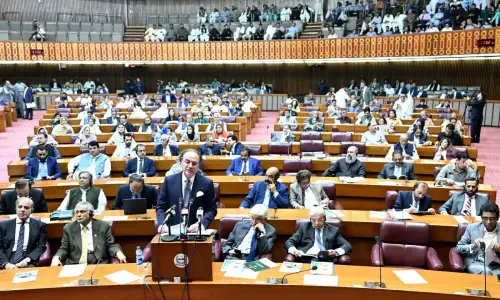
On Thursday parliament voted overwhelmingly to extend by three months the state of emergency first imposed last November.
Prime Minister Sher Bahadur Deuba had proposed the extension saying it was required to completely crush the rebellion and managed to overcome concern from opposition party members who said it could infringe civil rights.
Analysts said the country’s politicians had put aside their traditional differences in a show of patriotism.
“The spirit of patriotism at the hour of national crisis brought all the political parties together and this has definitely boosted the morale and courage of the security personnel,” said Bharat Mohan Adhikari, chief whip of the main opposition Nepal Communist Party-United Marxist Leninist (NCP-UML).
Kapil Shrestha, a member of the Human Rights Commission said the extension of the state of emergency was a necessary evil, but he warned of an escalation in violence as both sides would be desperate to prove their strength.
“Security personnel will be under extreme pressure to demonstrate their supremacy over the Maoists and justify the extension of the emergency,” he said.
Just hours after the emergency was extended until May 25 a group of guerrillas attacked a police post manned by 85 officers, Kandel said.
In the ensuing one-and-a-half hour battle, at least 34 policemen, including two inspectors and four Maoists were killed. Fifteen other policemen were injured, six seriously.
In Barhabise town 90 kilometres east of Kathmandu, near the border with Tibet, six Maoists were killed in clashes with security personnel late on Thursday.
Two Maoists and two members of the security forces were killed in Hasulia, 180 kilometres south of Kathmandu.
The violence came ahead of the general strike which brought the capital Kathmandu to a halt Friday as the Maoists marked the sixth anniversary of the launch of their “people’s war” on February 13, 1996.
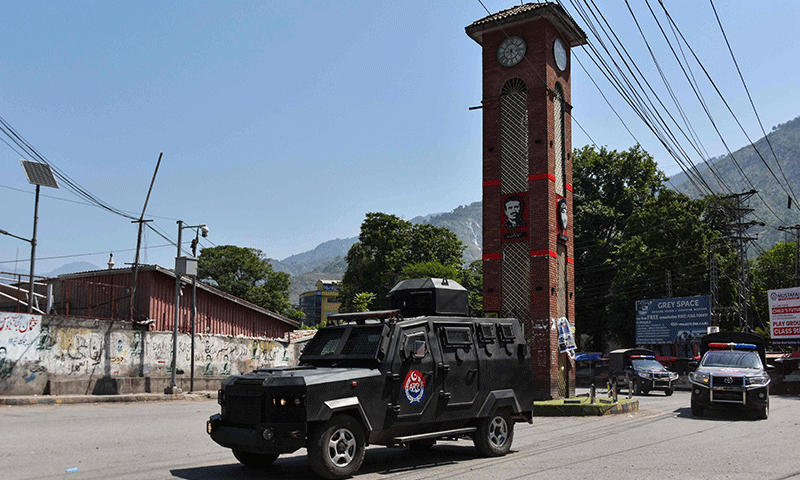
Security personnel in armoured vehicles patrolled the streets, as police searched the bags of virtually every passer-by.
Residents said the shut-down was not in support of the Maoist cause, but rather because people were scared of further attacks.
“Factories are closed because of the fear of being attacked by the Maoists,” a spokesman of the Federation of the Nepalese Chambers of Commerce and Industry said.—AFP