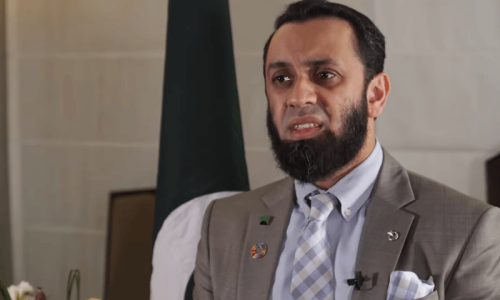
ISLAMABAD, Nov 21: The executive director of the Kashmiri American Council, Dr Ghulam Nabi Fai, has suggested the ongoing Pakistan-India peace process, and stressed the need for engaging the real representatives of the people of occupied Kashmir in talks for resolution of the dispute.
Talking to newsmen here on Monday, Dr Fai, who is visiting Islamabad, criticised India for naming Hizbul Mujahideen chief Sayed Salahuddin on the list of wanted people.
Mr Salahuddin, he said, was a strong supporter of meaningful dialogue between Pakistan and India but he was against India’s false overtures over indigenous militancy.
Dr Fai said that despite the manipulated bifurcation of the All Parties’ Hurriyet Conference, its leader Sayed Ali Gilani held the key to the resolution of the Kashmir issue and he need to be involved in any talks in this regard.
The principle of self-determination and maintenance of international peace and security were inseparable and denial of the right to the people of Kashmir had brought the two countries to the brink of nuclear catastrophe, he said.
In reply to a question, he said there was no material shift in Pakistan’s policy on Kashmir and its offers of flexibility were meant to bring both the countries to the negotiating table.
He said a sincere and serious effort towards a just settlement of the Kashmir dispute must squarely deal with the realities and fully respond to the people’s rights.
Mr Fai welcomed the confidence-building measures between the two countries but regretted that India was giving an impression that the mere CBMs would end the hostility and acrimony, which, he said, could only be removed by conflict reduction.He said he was in full agreement with President Pervez Musharraf’s statement made last year that CBMs like the Muzaffarabad-Srinagar bus service would lose their credibility if the Kashmir issue was not resolved. He said the bus service was not a substitute for the resolution of the Jammu and Kashmir issue.
He urged the government of India to ensure complete cessation of military and paramilitary actions in occupied Kashmir, withdraw military from towns and villages, dismantle bunkers, watch towers and barricades set up by its forces, release all political prisoners, annul special repressive laws and restore the rights of peaceful association, assembly and demonstration.
He said Kashmir could not be regarded as an integral part of India because under all international agreements agreed by Islamabad and Delhi the region did not belong to any member of the United Nations.