KARACHI: The second and concluding day of the 42nd Society of Pakistan English Language Teachers (SPELT) International Conference, which was held entirely at the Habib University on Sunday, had even more to offer in the shape of lectures, talks, discussions and workshops. Of course, all remained within the boundaries of the conference theme: ‘Bridging Language and Learning: Designing Equitable Practices for Diverse Classrooms’.
The keynote address on the topic of ‘Beyond Gendered Textbooks: Helping English Teachers and Learners Engage with Gender Biases’ by Dr Harry Kuchah Kuchah, Associate Professor of Language, Social Justice and Education at the University of Birmingham in the UK, was an eyeopener despite the sustained international commitment to gender equality in education. Because while analysing textbooks, and not just the textbooks from Pakistan, one can identify issues with gender representation and bias.
Dr Kuchah Kuchah’s presentation examined the important relationship between the textbook, school and students’ gendered attitudes based on examples from his own earlier work with young language learners in his country of origin, Cameroon. Taking participants beyond the textbook, he also examined how five English language teachers (and their students), from two global south contexts, engaged with gendered texts and how prevailing gender norms are promoted through teachers’ classroom practices. “There can be a critical gap in teacher education, where critical discourse awareness and gender-responsive pedagogy remain absent as core professional competencies,” he said, while adding that the need for structured, inquiry-based interventions can help teachers and students to engage critically with texts in the language classroom.
Two-day SPELT International Conference concludes
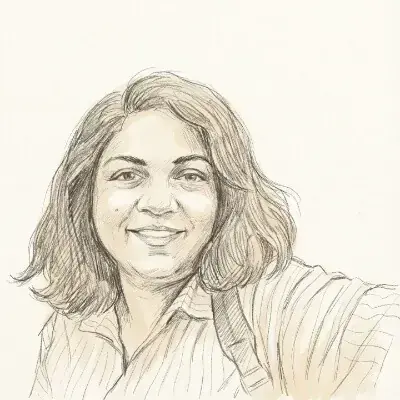
The day’s final plenary address on the topic of ‘Beyond Rote Learning: Transforming Primary English Classrooms in Pakistan’, by Spelts President Dr Fatima Dar, recognised that translating the primary English curriculum into daily classroom practice requires a grounded shift from traditional, rote-based grammar instruction to a skill-based, learner-centred model specifically tailored to Pakistan’s sociolinguistic context.
“As learners progress through grades one to five, instruction must guide a gradual, scaffolded transition toward an English as a Second Language (ESL) approach, moving from play-based learning and Total Physical Response (TPR) in lower grades to Communicative Language Teaching (CLT), process writing and Project-Based Learning (PBL) in upper grades to achieve CEFR-aligned targets (Pre-A1 to A2),” she said. “By integrating grammar, vocabulary and Social-Emotional Learning (SEL) into authentic context tasks, and by embracing flexible strategies like strategic translanguaging and differentiated instruction, teachers can bridge local linguistic realities with functional communicative competence,” she added. The day also honoured those who have been associated with or been a part of Spelt throughout these 42 years such as publisher Ameena Saiyid. Zakia Sarwar, the ‘Mother of SPELT’, who could not attend this year’s conference, could also not be forgotten as her name came up in every conversation. Other names like Dr Nasreen Hussain, Mansoor Naz Vindhani, Zehra Gheewala and Yasmin Karim, who have given 30 to 40 years of their life to Spelt, were also awarded the Spelt Recognition Awards. Spelt’s Conference Chair Raabia Hirani, Dr Shah Jamal Alam of Habib University and Ben Lawton of the British Council also spoke.
Published in Dawn, November 16th, 2026