Parliament must protect judicial independence, says Justice Mandokhail
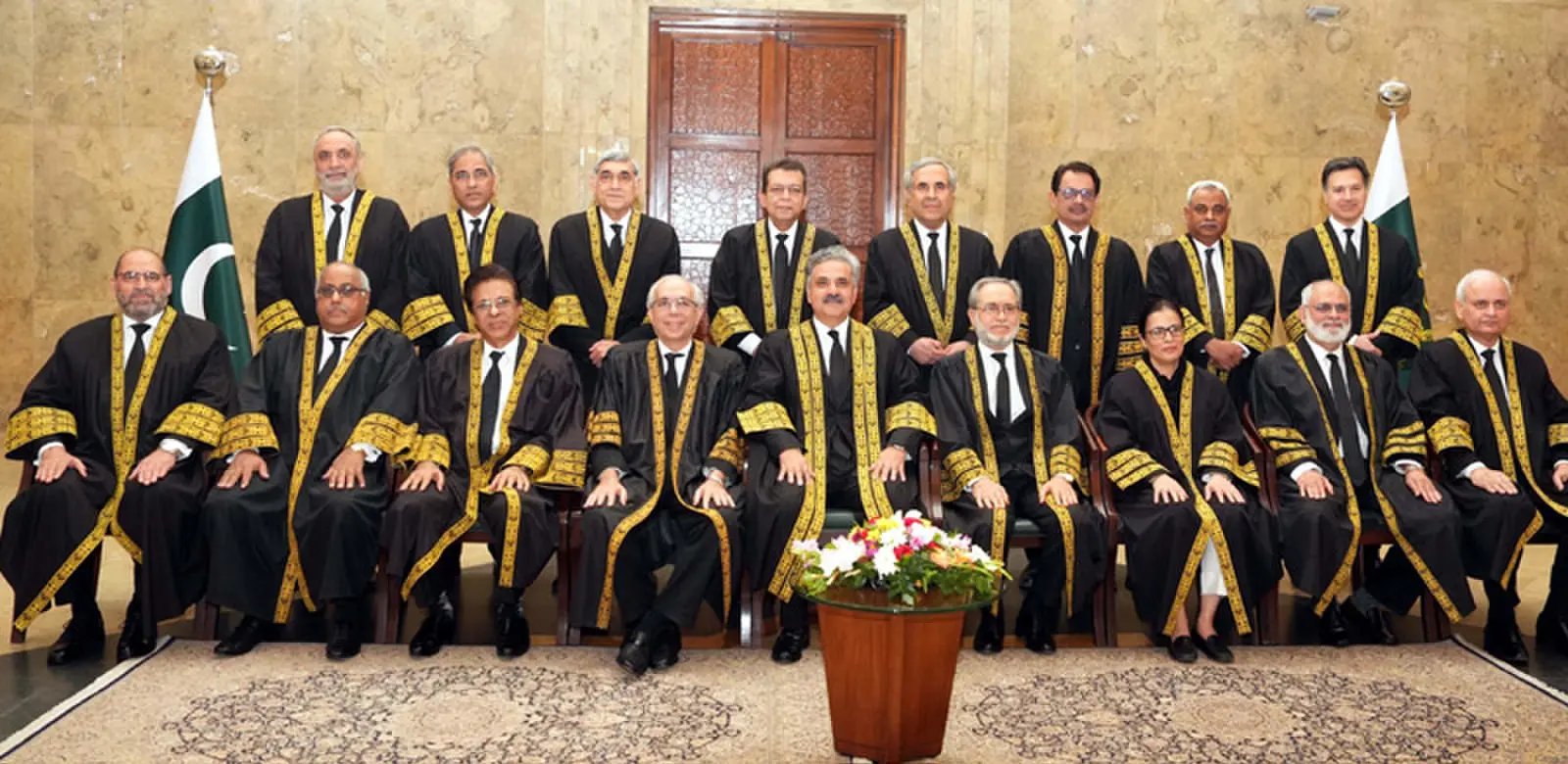
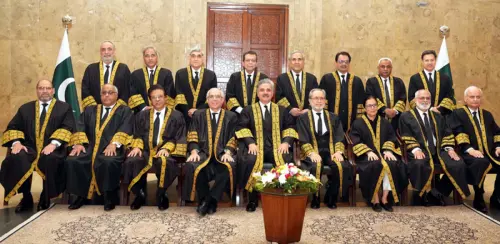
ISLAMABAD: Justice Jamal Khan Mandokhail on Wednesday said parliament, which represents the sovereign will of the people, must never undermine judicial independence, as only an independent judiciary can protect citizens’ fundamental rights.
“Compromising or disregarding judicial independence has serious consequences for the state, parliamentarians and society,” Justice Mandokhail said in his address at a full court reference held in his honour on his retirement at the Supreme Court.
He warned that when courts became subservient to political or executive pressure, the law was replaced by the will of the powerful and applied selectively rather than impartially.
Outgoing judge warns of anarchy if citizens lose faith in justice system
Safeguarding judicial independence was therefore the collective responsibility of Parliament, the judiciary and the executive, he observed, adding that citizens would otherwise lose faith in the justice system.
The reference was attended by Chief Justice of Pakistan (CJP) Yahya Afridi, Attorney General for Pakistan Mansoor Usman Awan, Pakistan Bar Council Vice Chairman Pir Muhammad Masood Chishti, Supreme Court Bar Association President Syed Amjad Shah, senior law officers and members of the legal fraternity.
Justice Mandokhail said that in the absence of an independent judiciary, political dissenters and critics could be targeted, while systematic corruption, human rights abuses and illegal actions by state officials would go unchecked.
In such circumstances, citizens might resort to their own means of seeking justice, potentially leading to anarchy, he cautioned.
The outgoing judge emphasised that the Constitution was both a source of authority and a reminder of its limits. It prescribed what Parliament, the judiciary and the executive must and must not do, he said, adding that the judiciary’s constitutional role was to keep the other organs of the state within their limits.
The judiciary’s authority lay in interpreting and applying the Constitution faithfully. Serving the Constitution meant recognising that power was entrusted, not owned, that constitutional rights were not favours and that the law must remain equally accessible to ordinary citizens and the powerful, he said.
Justice Mandokhail also underscored that the judicial oath demanded impartiality, integrity and unwavering adherence to the Constitution and the law, without fear, favour or external influence.
Paying tribute to Justice Mandokhail, Chief Justice Afridi lauded his distinguished judicial career and commitment to the administration of justice. Recalling his professional journey from the bar in Balochistan to the Supreme Court, he acknowledged his contributions to constitutional jurisprudence, judicial administration and institutional development. He particularly highlighted Justice Mandokhail’s efforts to strengthen the district judiciary and judicial infrastructure during his tenure as chief justice of the Balochistan High Court.
The CJP also appreciated his thoughtful advice, candid counsel and steadfast support, observing that his presence had contributed significantly to the collegiality and harmony of the court.
Emphasising that the bench and the bar were integral to the administration of justice, the CJP stressed the need to maintain harmony, mutual respect and constructive engagement within the legal fraternity.
He reaffirmed his commitment to preserving cordial relations between the two and said transparent and uniform procedures had been institutionalised through comprehensive standard operating procedures (SOPs) to ensure consistency, fairness and accountability in judicial administration.
Highlighting the provision of free legal aid at various levels, the CJP reiterated that no person should be denied legal representation merely because of financial constraints.
Published in Dawn, November 12th, 2026