ISLAMABAD: The Auditor General of Pakistan (AGP) has called for effective parliamentary scrutiny of government-owned companies and enterprises, warning that weaknesses in their financial reporting and auditing could lead to a major governance and financial accountability crisis.
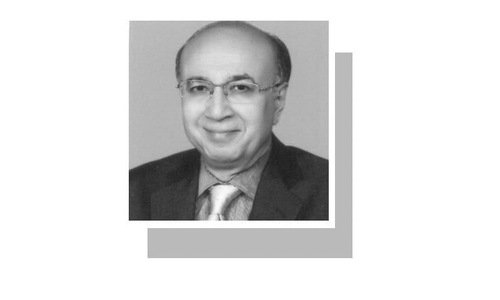
Addressing a national workshop organised by Unicef Pakistan for chairpersons and members of federal and provincial Public Accounts Committees (PACs), Auditor General Maqbool Ahmad Gondal said corporate autonomy must not become a shield against public accountability.
National Assembly Speaker Sardar Ayaz Sadiq, Federal Minister for Planning, Development and Special Initiatives Professor Ahsan Iqbal, and Unicef Representative in Pakistan Pernille Ironside were among the participants.
Gondal expressed concern over the growing trend of establishing government-owned companies, particularly at the provincial level, which operate under corporate governance frameworks and have their financial reporting and external audits entrusted to chartered accountancy firms.
He said federal and provincial PACs must ensure that these entities remained subject to effective parliamentary scrutiny, their financial statements and audit reports were regularly examined, and appropriate corrective action was taken to safeguard public resources.
Warns weaknesses in financial reporting and auditing could trigger governance crisis
He cautioned that weaknesses in financial reporting and auditing could result in undetected irregularities, mismanagement of public assets and losses to the public exchequer.
Highlighting the constitutional role of PACs, he said public accountability did not end with the expenditure of an allocated budget but also required scrutiny of whether public money had been utilised economically and efficiently and whether intended beneficiaries had received the promised services.
He identified delays in examining audit reports, inadequate technical and secretariat support, weak follow-up on committee recommendations and the loss of institutional memory due to changes in committee membership as major challenges facing PACs.
The auditor general also outlined four major reforms being undertaken by the Department of the Auditor-General of Pakistan (DAGP) to strengthen public auditing and parliamentary oversight.
Under the first initiative, the department has started preparing entity-specific and project-specific audit reports to provide Parliament with a comprehensive assessment of public sector organisations, their financial management, governance arrangements and internal controls.
Citing an example, he said a regulatory authority had provided subsidies worth approximately Rs250 billion to marketing companies. A comprehensive audit could have examined the authorisation, allocation, utilisation and ultimate beneficiaries of the amount.
However, he regretted that the department had not been allowed to scrutinise the matter despite its constitutional mandate, resulting in the loss of an important opportunity for parliamentary oversight.
The second initiative involves incorporating PAC priorities into audit planning to ensure that issues identified by parliamentary committees receive appropriate attention.
The third focuses on strengthening data analytics through the newly established Centre for Government Data Analytics, which will help identify unusual financial patterns, potential risks and irregularities through a data-driven audit regime.
The fourth initiative aims to ensure that appropriation accounts and audit reports are presented before Parliament by June 30 every year. He said the federal government had achieved this target and urged provincial governments to follow suit.
Emphasising the impact of financial accountability on ordinary citizens, he said mismanagement of funds allocated for healthcare, education, nutrition and social protection directly affected vulnerable communities, particularly children and mothers.
He expressed hope that the workshop would produce an actionable National PAC Action Agenda with defined priorities, institutional responsibilities, timelines and effective follow-up mechanisms.
Published in Dawn, November 12th, 2026