Chief Ministers Bugti, Maryam agree on joint efforts for safe cities in Balochistan

QUETTA: Balochistan Chief Minister Mir Sarfraz Bugti and his Punjab counterpart Maryam Nawaz have agreed to strengthen cooperation to make Safe City projects in Balochistan more effective, operational and aligned with modern security requirements.
Following a request from Mr Bugti, the Punjab chief minister issued directives to the relevant authorities to provide institutional support and assistance to strengthen the Balochistan Safe City Authority.
Under the proposed joint venture between the Safe City authorities of the two provinces, both sides will work together to improve security monitoring systems, provide technical assistance, build staff capacity and facilitate the exchange of expertise and experience.
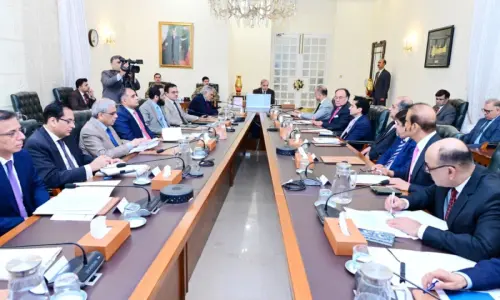
The development was discussed at a meeting of the Balochistan Safe City Authority, chaired by Mr Bugti. Additional Chief Secretary Home Muhammad Hamza Shafqaat briefed the meeting on ongoing projects and their progress, informing participants that work on Safe City projects was under way in nine cities across the province.
Punjab will provide technical assistance, staff training and expertise to Balochistan
Punjab Safe City Authority Director General Ahsan Younas said his organisation would extend technical assistance to Balochistan, including staff training, capacity building and the transfer of modern expertise to ensure the effective operation of the projects.
Addressing the meeting, Mr Bugti said Safe City projects were not merely surveillance systems but the foundation of modern security infrastructure aimed at protecting the lives and property of citizens.
‘Safe environment’
He stressed that the use of advanced technology and effective security monitoring systems was essential to maintaining law and order, preventing crime and providing a safe environment for the people of Balochistan.
The chief minister said modern surveillance systems would help monitor the movement of criminal elements, identify suspicious activities in a timely manner and improve the response of law enforcement agencies.
He thanked the Punjab chief minister and the Punjab Safe City Authority for extending cooperation and support to Balochistan, saying institutional collaboration and the exchange of experience between provinces would help achieve shared public safety objectives.
The meeting was attended by Provincial Home Minister Mir Ziaullah Langove, Balochistan Chief Secretary Shakeel Qadir Khan, Additional Chief Secretary Hamza Shafqaat, Inspector General of Police Muhammad Tahir Khan, Balochistan Safe City Authority Director General Muhammad Ashfaq, Principal Secretary to the Chief Minister Imran Zarkoon, Finance Secretary Jahangir Khan, IT Secretary Ayaz Khan Mandokhail and other senior officials.
Published in Dawn, November 5th, 2026