EU hits pause on country-level social media bans for children

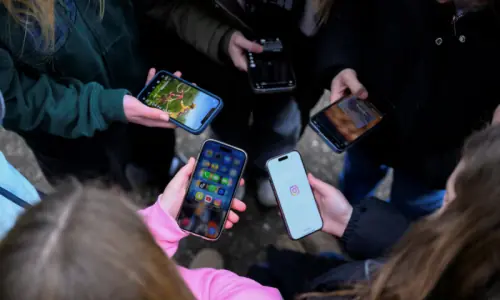
The European Union (EU) said on Thursday it does not want any more national-level bans on social media before a pan-European law is approved, as it blocked draft rules put forward by Austria.
Under EU law, member states must notify the European Commission to ensure their bills do not break the bloc’s rules. Austria wanted to ban children under 14 from social media, but the EU said no.
“The commission has decided to postpone for 12 months any draft national laws overlapping with the future harmonised rules,” EU spokesman Thomas Regnier said.
The European Commission last month proposed to ban children under 13 from social media, and permit only limited, supervised access until the age of 15.
The EU believes allowing countries to move ahead with national laws would divide the bloc, creating varying age-limits among member states.
Brussels also fears EU countries will not rush to pass the bloc-wide law if they have their own country-level rules in place.
“We need to now focus on the negotiations of the EU Kids Act and to ensure an effective enforcement of our rules,” Regnier said. The commission hopes EU countries and the European Parliament will reach a deal on the new rules in the next few months.
There will, however, be exceptions to the EU’s decision.
Although the commission demanded France’s proposed law be reworked, it is not expected to be blocked because Paris notified Brussels of the law before bloc-wide legislation was put forward.
And Greece has been able to pass its own rules, drafted long before September. Regnier would not be drawn on whether France would be prevented from enacting its national legislation.
The EU has yet to deliver verdicts on bans by other EU states, including Italy and Slovakia.