Health ministry scraps ‘flawed’ vaccine tender
• Border Health Services vaccination setup abolished; new ministry tender due in a month
• Officials arrested for bypassing ministry via parallel procurement committees
• Pilgrims asked to arrange jabs thru travel agents
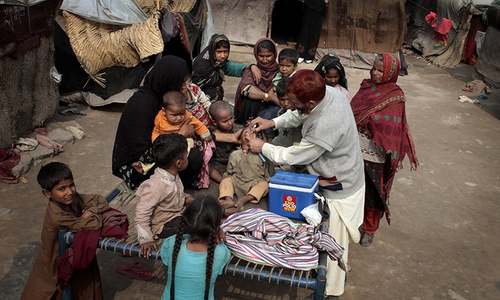
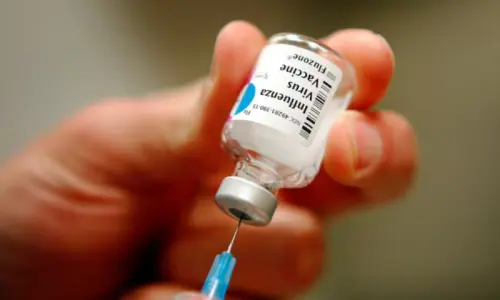
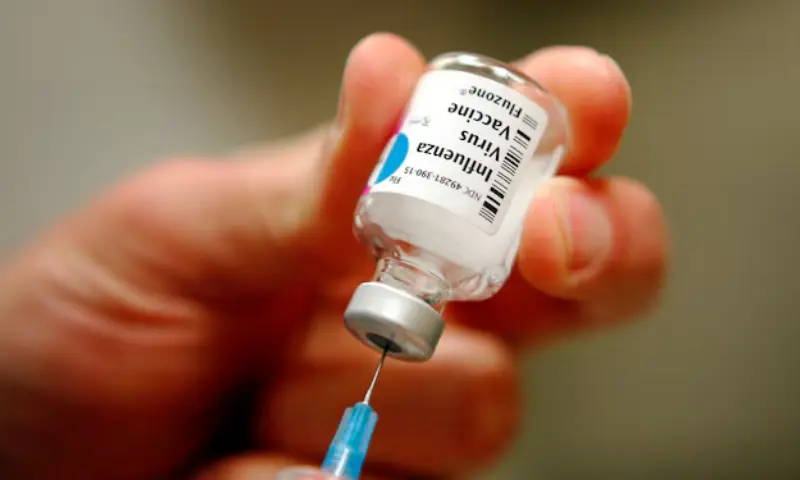
ISLAMABAD: The Ministry of National Health Services has decided to issue a new procurement tender for meningococcal meningitis and influenza vaccines for overseas travellers within a month, following its decision to abolish the existing vaccination setup through Border Health Services (BHS).
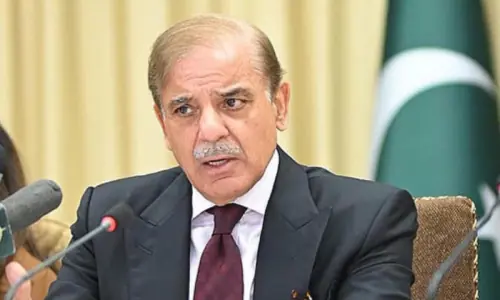
The decision follows a high-level inquiry ordered by Prime Minister Shehbaz Sharif into the BHS. The probe exposed severe flaws and financial irregularities in a previously awarded public-private partnership contract.
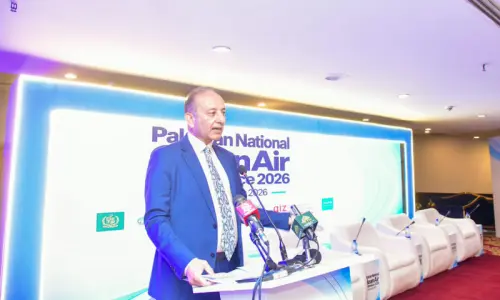
Federal Health Minister Mustafa Kamal confirmed that authorities have halted the current vaccination process for religious pilgrims and overseas job seekers. Furthermore, all BHS officials involved in floating the unauthorised tender have been arrested for bypassing ministry oversight.
“I can assure that they will be fixed for keeping the ministry in the dark,” Mr Kamal said. “I am carrying a good reputation and have remained clean throughout my career. So I will not tolerate any attempt to defame me.”
With the BHS system dismantled, the ministry has directed pilgrims to arrange their mandatory vaccinations directly through their travel agents until the ministry’s central procurement committee floats a replacement tender.
The inquiry by the prime minister was triggered by allegations that the new contract inflated vaccination costs to approximately Rs4,500 per pilgrim, up sharply from around Rs1,250 per dose under the previous arrangement.
Meanwhile, seven companies petitioned the Islamabad High Court challenging alleged irregularities in the bidding process.
A five-member inquiry committee chaired by the Cabinet Division secretary examined the legal basis, rationale and approvals for the contract.
The panel included the Intelligence Bureau director general, the Drug Regulatory Authority of Pakistan (Drap) chief executive officer, the Public Procurement Regulatory Authority managing director and a representative from the Attorney General’s Office.
Official documents collected by the inquiry committee and reviewed by Dawn reveal that BHS officials created parallel committees to bypass federal oversight.
On May 9, the health ministry established an official six-member procurement committee chaired by BHS Director Dr Mir Muhammad Hassan Builo, alongside a grievance committee led by the federal director general of health.
However, on June 10, BHS unilaterally formed its own procurement committee chaired by Dr Pardeep Kumar and a separate redressal committee led by Dr Shahbaz Ahmed Hashmi, proceeding to float the tender independently.
A senior ministry official, speaking on the condition of anonymity, claimed the health ministry was kept in the dark.
“The major violation was that the PPRA rules were followed for a public-private partnership. In fact, Public Private Partnership Authority rules should have been applied for the tender,” the official explained.
“As per the agreement, the private company had to procure the vaccine, and the amount had to be deposited in a National Database and Registration Authority account. Nadra would then cut its charges and distribute the share between BHS and the private company. The positive thing was that not a single rupee had to be spent from the exchequer.”
The official noted the 1,250-rupee price in 2026 occurred because a company secured cheaper stock. Previously, per-dose charges for meningitis vaccines were Rs2,555 in 2025, Rs2,244 in 2024, Rs2,476 in 2023, and Rs2,550 in 2022. Influenza vaccines cost Rs1,426 in 2025 and Rs1,670 in 2024.
Another official noted the tender will be re-advertised but argued the seven petitioning companies should provide the 1,250-rupee rate they cited.
He noted the vaccine’s maximum retail price is around Rs1,300, but it was historically sold for over Rs2,000. Uncoordinated past procurements triggered the use of fake vaccination certificates, causing trouble for pilgrims and embarrassment for the federal government.
Published in Dawn, October 29th, 2026