Israelis to decide Netanyahu’s fate in pivotal election today
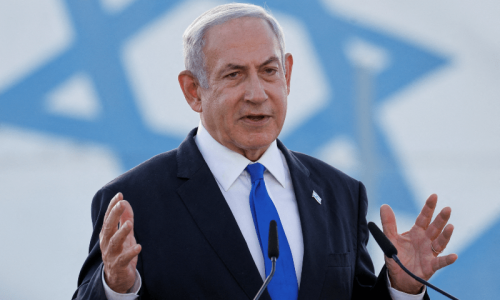
A deeply divided Israel will head to the polls on Tuesday for the first time since the October 7, 2023, attack, with voters delivering their verdict on veteran Prime Minister Benjamin Netanyahu and the country’s rightward drift.
Israelis will cast their ballots in the shadow of three years of multi-front regional wars triggered by October 7, with questions over accountability and security central to the campaign.
The close-fought vote comes as Israel looks increasingly isolated on the world stage, driven by a devastating military campaign in Gaza, soaring settlement construction and violence in the occupied West Bank, and a move towards hard-right religious nationalism.
The last polls to be published showed Netanyahu, Israel’s longest-serving prime minister, running neck and neck with his main centrist rival Gadi Eisenkot, a political novice and former military chief whose mild manner is seen as the antithesis of the incumbent.
Some 7.3 million people are eligible to vote, with more than half a million young people due to cast their ballot for the first time. Surveys show they overwhelmingly identify as centre-right or right-wing.
Tens of thousands of Israelis are estimated to have flown in from abroad to vote in an election seen as crucial to deciding the future character of their country.
“I think this is one of the most important election days in the history of the state of Israel,” Uriel Brandler, a 58-year-old real estate agent, told AFP in Jerusalem the day before the vote.
“The country definitely needs a change for the better in every aspect.” Netanyahu, 77, has served as Israel’s prime minister on and off for more than 19 years.
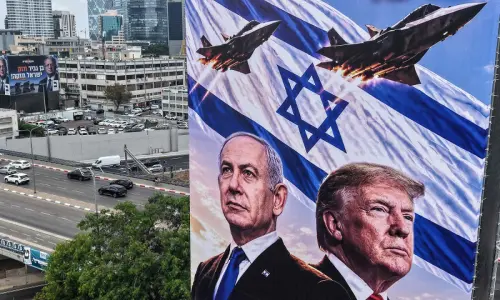
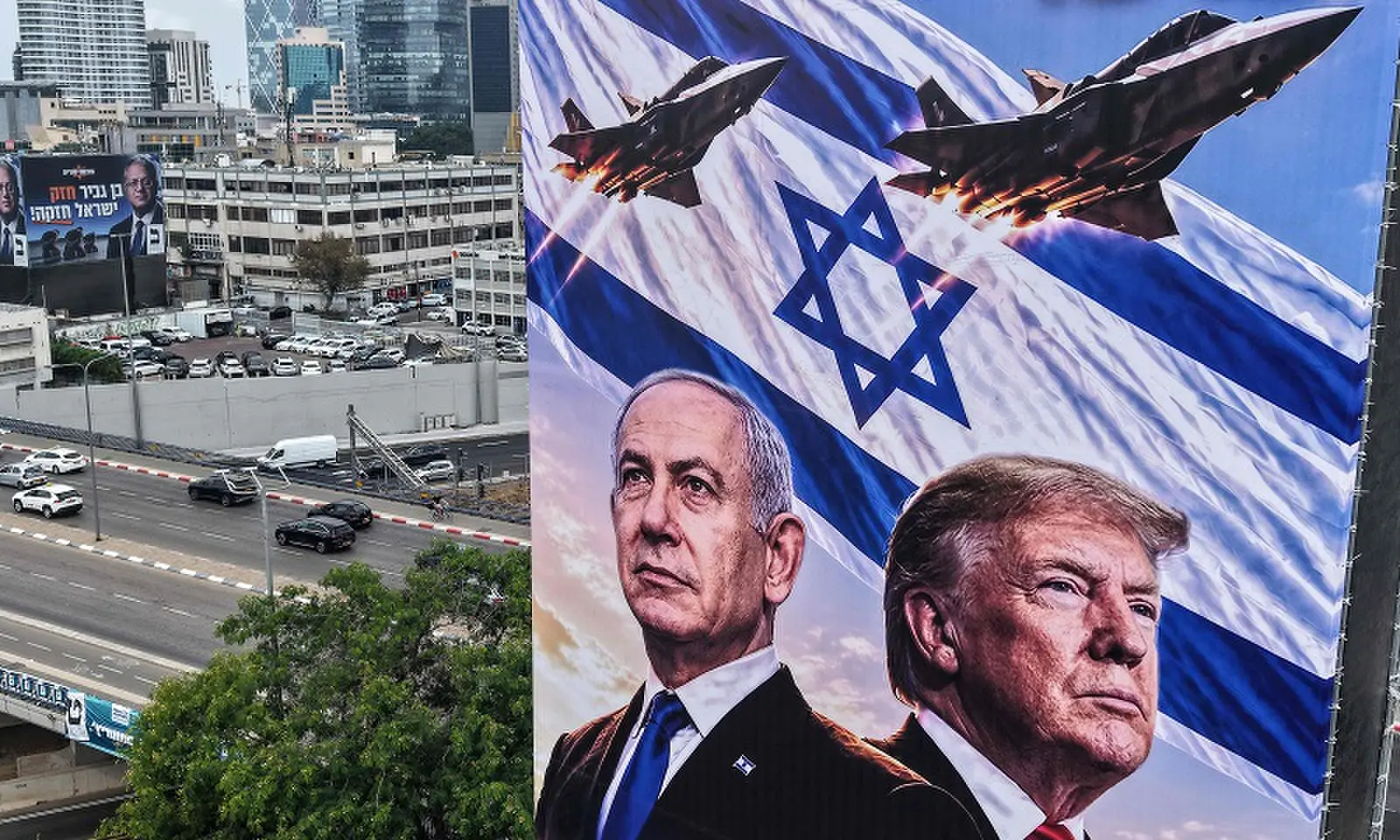
The wily political operator focused heavily on his security credentials during his campaign, playing on his relationship with US President Donald Trump and insisting he is the only one who can keep Israelis safe.
In the years since October 7, Netanyahu led multiple wars that have seen Israeli forces reduce Gaza to rubble, occupy southern Lebanon and for the first time attack arch-foe Iran with US help.
At home, Israelis have faced bombardment from Iran, Hamas, Lebanese group Hezbollah, and Yemen’s Houthi rebels.
‘Not afraid to take action’
Zipporah Bennett, an 85-year-old retiree, said she was voting for Netanyahu “because he has had the experience of navigating the country through a lot of difficult seasons”.
“He has the full support of the American government,” she said, “and I believe he’s a man who’s not afraid to take action.” Netanyahu returned to power in December 2022, bringing into his coalition far-right ultra-nationalists who have since seen their political clout skyrocket.
The opposition has scorned the premier for his backing of ultra-Orthodox parties fighting to keep exemptions for religious Jewish students from drafting into the military, which faces personnel shortages.
But one of the biggest criticisms levelled at Netanyahu is his failure to take responsibility for the October 7 attack, the deadliest day in the country’s history.
Eisenkot, 66, has pledged to establish an independent state commission of inquiry into the security failures that led to the attack, something Netanyahu’s government has resisted.
Seeking to unseat the premier is an informal bloc of parties led by Eisenkot’s Yashar and spanning from the right to the centre-left.
Eisenkot has vowed to prevent the creation of a Palestinian state and expressed support for Israeli settlements, but has promised to crack down on violent settlers.
Neither Eisenkot nor Netanyahu have publicly said they would partner with the predominantly Arab lists, which represent some 21 percent of Israel’s population and who could become kingmakers if the results are as close as expected.
Final results could take days to trickle in and it is highly unlikely that any single party will come close to the 61 seats needed for a majority in the 120-member parliament.
Cobbling together any coalition could take weeks or months, with possible new elections on the horizon if negotiations fail.