PERHAPS the most unfortunate aspect of the latest French popular uprising is that it may well facilitate Marine Le Pen’s journey to the Élysée Palace. The far-right contender for the presidency poses as the law-and-order saviour for a France that no longer exists, focusing — like the Trump regime — on immigration as the source of every societal woe.
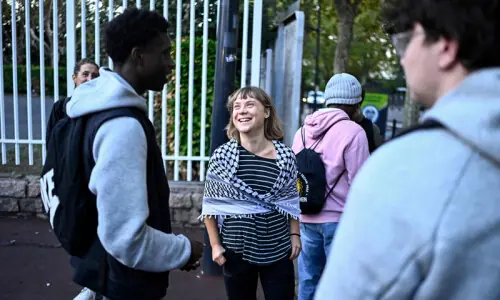
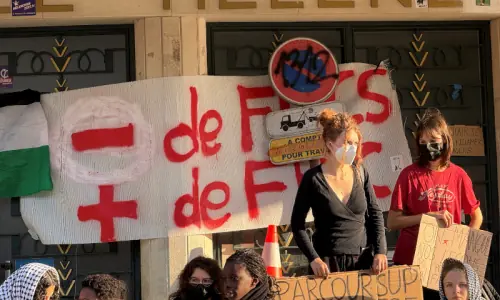
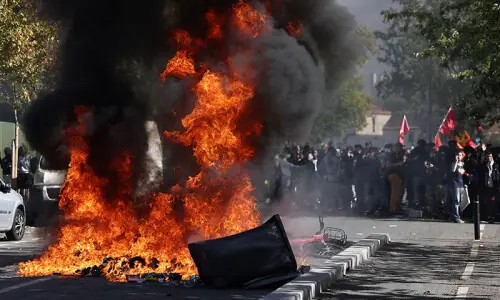
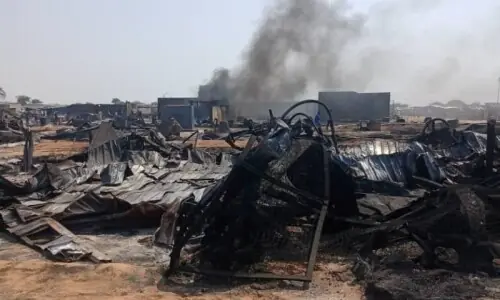
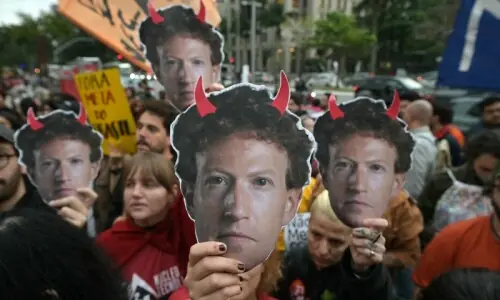
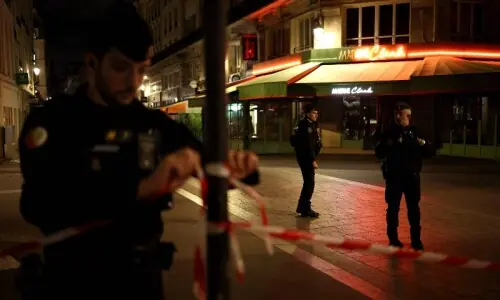
The unrest that erupted in September with students from a couple of public high schools complaining about shrinking resources and inadequate facilities ballooned into a much broader rebellion. By last weekend, the protests had extended beyond disenchanted pupils and their parents and teachers to a far wider cross-section of society complaining about the cost of living — alongside the usual panoply of vandals, looters, and arsonists. The latter were on the fringes of largely peaceful demonstrations but inevitably grabbed the headlines, featuring images of shattered shopfronts and the historic Limoges town hall in flames.
To be fair, though, almost every report I came across acknowledged the carnivalesque aspect of the huge marches, distinguishing it from the criminality of opportunist gangs. Even President Emmanuel Macron made that distinction in his unimpressive address to the nation on Sunday, but offered little more than retribution for the offenders and a dialogue with ‘stakeholders’. Earlier, in response to the students’ demands, the government promised 3,000 more substitute teachers, but that’s not likely to alleviate concerns.
With France’s national debt at 119pc of its GDP, the usual excuse is that the state cannot afford to throw money at education (or health), let alone consider social spending that might ease wider cost-of-living woes. Yet economists have worked out that a relatively small increase in inheritance tax for the wealthiest one per cent of heirs would suffice for a substantial investment in education, while Thomas Piketty notes that the growth in private wealth means “France has never been richer”, notwithstanding its public debt.
Echoes of 1968 have been discerned in the events in France.
That’s a familiar story. In Europe alone, economic woes have prompted mass protests from the Iberian Peninsula to Albania. The rough end of the European housing crisis featured prominently in Spain, where citizens revolted once more after 87-year-old Maricarmen Abascal was forcibly evicted from her home of 70 years because she could not afford the 230pc rent increase. She died a fortnight later, prompting more outrage.
A snap election has been called for Nov 29 after the right-wing opposition thwarted two decrees from the Pedro Sánchez government aimed at redressing tenants’ woes. Similar concerns have brought Portuguese citizens to the streets, and broader affordability worries have led to protests in Belgium and Italy.
In Albania, meanwhile, the ‘flamingo’ protests that grew from environmental concerns over an island that Donald Trump’s daughter and son-in-law sought to colonise have expanded to include less esoteric concerns, spreading from the capital Tirana to various other cities and demanding the departure of the prime minister and opposition leader.
La France Insoumise, the only viable left-wing force in French politics, has backed the agitators and condemned the violence, but should LFI leader Jean-Luc Mélenchon make it into the second round of the next presidential election, there’s little doubt that the extreme centre epitomised by Macron will opt for Le Pen, effectively authorising a second Vichy regime. Similar patterns are likely to be witnessed in the rest of the continent.
Happily, the prospects in India differ. There is no scope for complacency, but the Cockroach Janta Party and its allies have clearly rattled the Modi regime. Its demise may not be imminent, but it’s no longer inconceivable. Every country deserves a Neha Bora. Several commentators in Pakistan have lamented the lack of parallels.
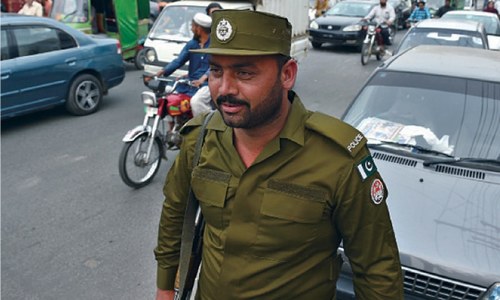
Sorrow and angst were expressed after 34 pupils and a teacher were killed last week in a roof collapse at a private Peshawar school. In many other countries, such a tragedy would have prompted demands for a nationwide reckoning, not least because of the criminally low state spending on education. But Pakistan, it seems, has better things to do.
Echoes of 1968 have been discerned in the events in France. Back then, university students, eventually backed by the unionised working class, briefly chased away Charles de Gaulle. He returned in apparent triumph but was gone within a year.
Meanwhile, our first field marshal, hailed by his Western sponsors as Pakistan’s de Gaulle, departed for good after a student-led popular rebellion in 1968-69. It isn’t necessary to condone what followed to hail the demise of the Ayub regime as a tremendous achievement. But perhaps it’s also a reminder to be careful what you wish for, given what followed in the next decade.
Published in Dawn, October 21st, 2026